
6 AI marketing jobs that make tree-service choices clearer
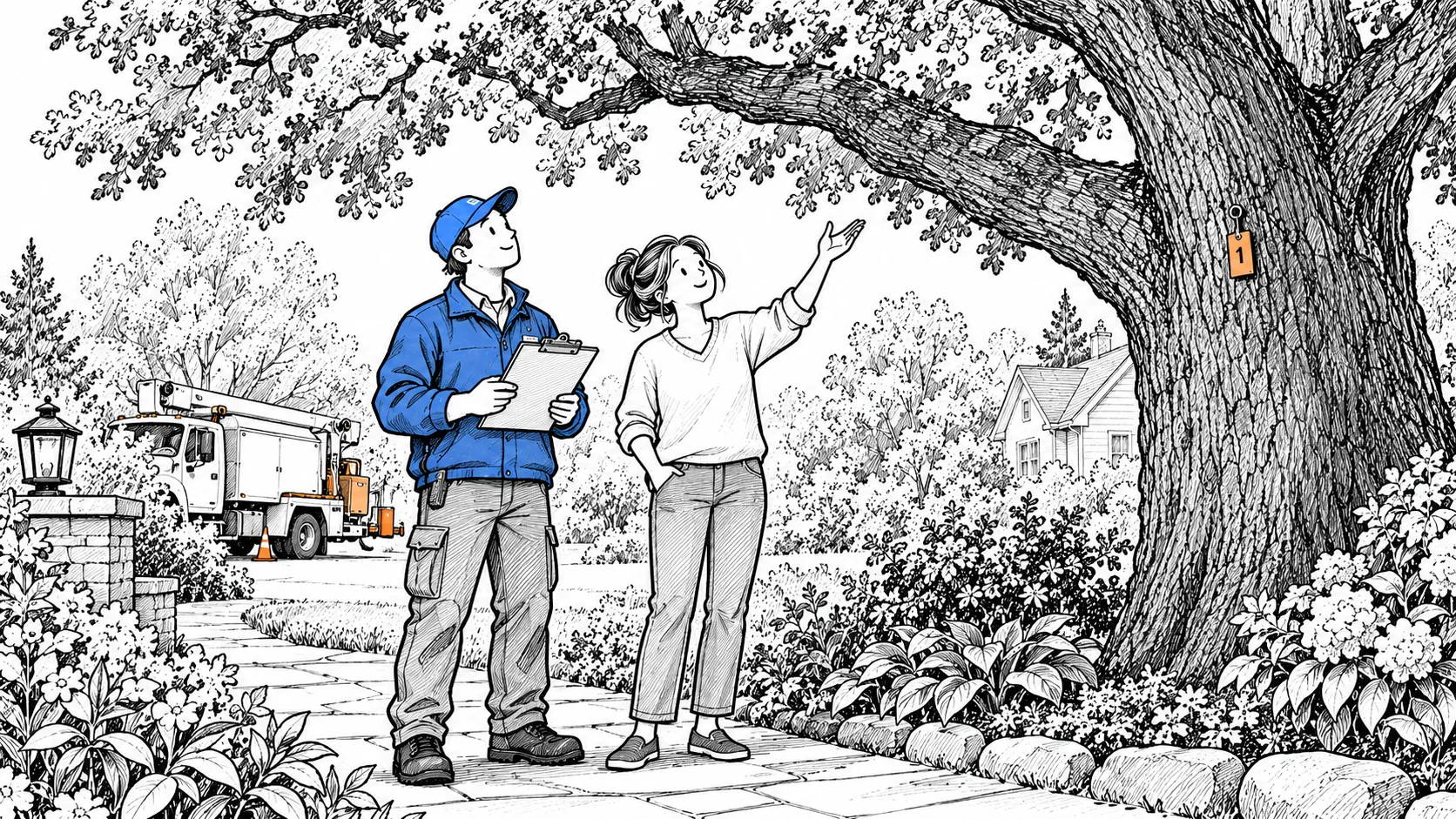
A photograph arrives with a removal enquiry: an oak stands beside the customer’s garage. The office can acknowledge the concern and arrange the next conversation. The photograph alone doesn’t give it an arborist’s findings.
AI marketing for tree service companies is useful at that point, when an explanation needs information from several places. An agent can retrieve approved service details, compare them with the customer’s question and prepare a draft for your team. The six jobs below show what that work could look like.
Every project and message here is hypothetical. These are proposed applications for tree-care owners and marketing staff, not tested BoastOS features or measured results.
1. Explain why the enquiry starts with an assessment
The customer calls the oak “dangerous.” Keep that description in the enquiry so the arborist understands the concern. In the office’s reply, attribute it to the customer rather than turning it into a professional conclusion.
An agent can assemble an assessment invitation from the enquiry, your intake instructions and the company’s description of the service. Those sources answer different questions. The enquiry explains why the homeowner called; the instructions say what information to collect; the service description explains how to request a visit. None supplies a finding about this oak.
The International Society of Arboriculture’s guide to hiring an arborist describes pruning and removal among arborist services. It says an arborist can determine the type of pruning needed. Your customer explanation should leave that professional judgment with the person assessing the tree.
| Wording in a proposed reply | What supports it? |
|---|---|
| “The oak needs removing before it falls.” | Nothing in this enquiry establishes that conclusion. |
| “You asked about removing the oak beside your garage. We can explain how to arrange an assessment and what information to provide beforehand.” | The customer’s request and the company’s intake process. |
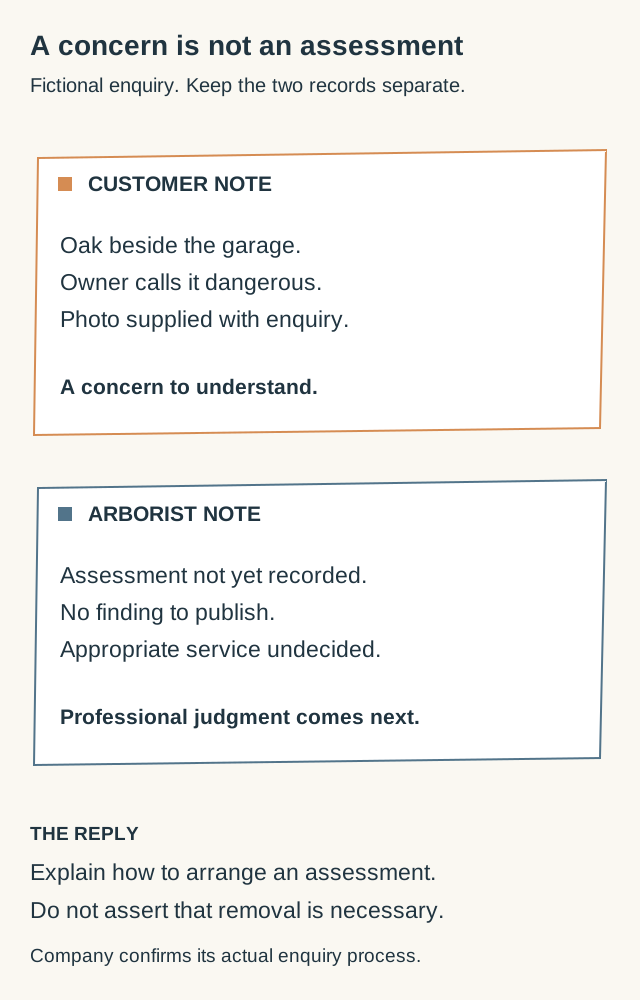
Have the arborist check the finished explanation. If an assessment is booked separately from later work, explain that distinction and the actual booking process. Once approved, the office can use the explanation in a reply or on a service page, with the personal enquiry removed. It gives a new reader a useful next step without diagnosing their tree.
2. Clarify what happens to the stump and debris
“Will the stump still be there when you finish?” is a service question with a concrete answer, if the proposal contains it.
Give the agent the current proposal and the relevant removal-page wording. It can locate the stump-grinding and debris provisions, then draft an answer using those passages. Grinding might be included, separately offered or absent from that proposal. State whichever applies; don’t fill the gap from a different customer’s job.
If the page and proposal disagree, send the discrepancy to the office before sending the reply. The approved answer can also inform a clearer FAQ about inclusions. Tree service marketing earns its usefulness here by explaining what someone is buying and what will remain on the property.
3. Build a project story around the arborist’s objective
A pruning gallery needs a reason for the work as well as photographs. In this fictional project, the customer asked about clearance beside a driveway. The arborist’s record identifies a clearance objective, and a completion note records the work performed.
An agent can put those records beside the approved photographs and draft a project account. It should connect the request, the documented objective and the completion note without replacing any of them with a general claim that pruning improves every tree.
For example, a draft caption could say: “The arborist recorded a clearance objective beside this driveway. These dated photographs show the site before and after the recorded work.” Your team must confirm that the images belong to that project and support the description before using it.
Photo selection deserves its own check. A summer image and a winter image can look very different without demonstrating a change in tree health. A new angle may hide a branch. Keep the dates and context, and use images you have permission to share. Don’t generate a fuller canopy or digitally remove branches to illustrate completed work.
The finished story can become a gallery entry, with a shorter version for social posts. A prospective customer gets an example of how the company explains an objective and documents a job. The article doesn’t need a health claim or an invented customer testimonial to make that example useful.
4. Invite past clients back for a planned review
Start with a recorded revisit recommendation. A year since the last job doesn’t establish that a tree now needs treatment or removal.
With access to permitted customer records, an agent can find the arborist’s recommendation, prepare an invitation for the specified review and flag missing timing details for the office. Your team checks the record, contact arrangements and available appointments before sending it.
That is a focused use of tree service marketing automation: following up on an existing recommendation. The message should explain the planned review and how to arrange it. It shouldn’t convert the entire list of past pruning customers into a campaign claiming their trees need new work.
5. Prepare a commercial introduction from a tree inventory
A property manager sends a map and asks about ongoing tree care. It contains tag T-14; the message refers to “the tree beside the delivery gate.” Before drafting a commercial introduction, make sure those references identify the same tree.
The agent can compare the permitted map, inventory and enquiry, then create an intake sheet for the office. If the records don’t establish the match, the sheet should leave it open. Guessing would make the next conversation about the wrong tree.
A sample sheet for this hypothetical enquiry might record:
- Site reference: T-14, with the delivery-gate match awaiting confirmation.
- Manager’s objective: discuss ongoing tree-care coordination.
- Available record: the site map supplied for this enquiry.
- Next contact: the office identifies who should attend the site discussion.
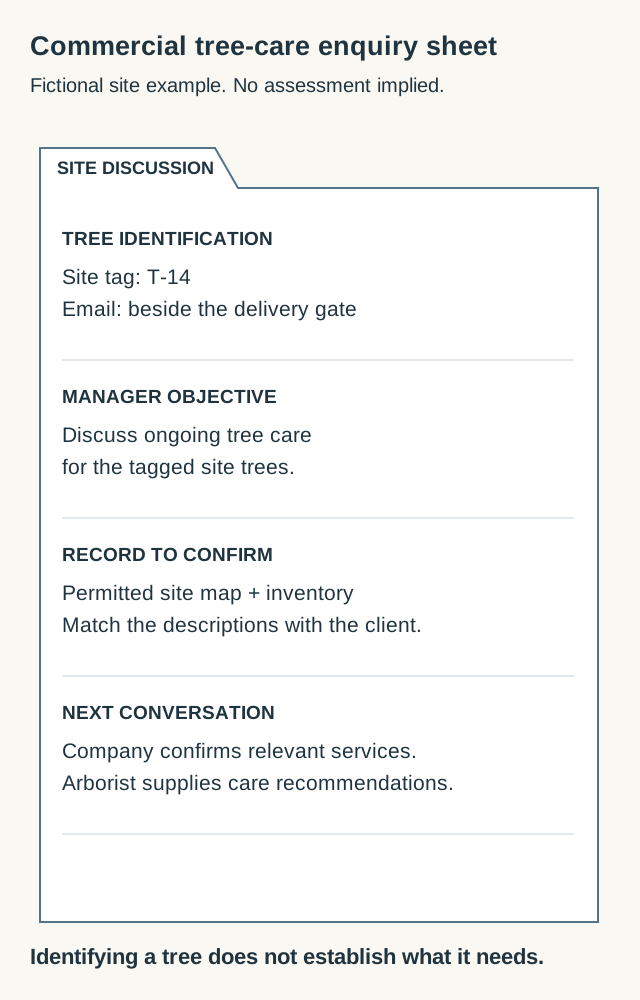
After confirming the match, the office can adapt the introduction to the company’s commercial services. It might explain what records would be useful at a first site conversation and who handles professional recommendations. Use a sample inventory you’re allowed to share if you want to show that process in public marketing. Verify any qualifications mentioned, and leave the care plan to the arborist’s assessment.
For commercial tree service marketing ideas, this example gives a property manager a way to prepare an enquiry. It doesn’t promise a management plan before anyone has assessed the site.
6. Answer the question holding up a proposal
The owner asks whether your crew needs to use the neighbour’s gate. A reminder to accept the proposal won’t answer that.
An agent can retrieve the access provisions and compare them with the message. Where the proposal is silent, it can prepare the question for the office instead of drafting a confident answer. The office confirms arrangements with the appropriate people and updates the proposal if necessary.
Once that is settled, the follow-up can explain the confirmed access arrangement and any revision. Keep permission to enter separate from acceptance of the work; neither comes from an unanswered message. The owner can then consider the proposal with the access question resolved.
Choose the explanation your office needs first
Use the question that is already costing your team another conversation. A stump FAQ needs approved inclusions; a pruning story needs a documented objective and suitable photographs; a commercial introduction needs reliable site references. Collect those records before asking an agent to draft the answer.
Bring one recurring question to a BoastOS BoastAble services discussion. It gives us a specific tree-care marketing job to explore with your team.
Prepared with AI assistance for BoastOS. The workflows and examples are proposed applications, not measured customer results.