

6 AI marketing jobs for vacation rental managers
Guests want to know whether the pool is private. Owners want to know who authorizes a repair. A vacation rental manager markets to both, but a holiday booking page won’t answer an owner’s question about your management service.
AI marketing for vacation rental managers starts with deciding which of those people you’re helping. An agent can retrieve property information, compare it with a listing or prepare a campaign for your team to review. It needs suitable tools, access and instructions. The examples below are fictional, proposed applications, not tested BoastOS features or measured customer results.
1. Write a property description that answers a real guest question
The listing says “has a pool.” The photographs show a pool. Neither tells a family whether they’ll share it with anyone else.
Our fictional cottage shares its pool with two neighboring cottages. The property record establishes that arrangement; a current facilities notice gives the seasonal opening dates and daily hours. An agent could compare these records with the description and prepare the missing explanation:
Guests share the pool with the two neighboring cottages. Check the seasonal opening dates and daily hours in the facilities information before choosing your stay.
Put the verified dates beside that explanation, or link directly to them. If two records give different dates, ask the manager to resolve the discrepancy before updating the listing. A pretty pool photograph can’t settle the question.
Airbnb’s listing-description guidance advises specific descriptions and realistic expectations, including limitations guests should know about. For Airbnb marketing, explaining shared access is more useful than another adjective about the cottage.
Once your manager approves the wording, the agent can locate old descriptions on other property pages you control and prepare updates appropriate to each channel. Keep the approved property record with the drafts. This job makes sense when the same facts appear in several places and someone has to keep them consistent.
2. Build a destination guide around a particular stay
“What could we do with the children on a rainy afternoon?” gives you a better brief than “write a guide to the area.”
Have the agent research a few options from the venues’ own information. Can the family go that afternoon? Do they need to book? What accessibility information does the venue provide? Check opening hours, availability and travel details, and record when you verified them. A guide reused next season needs another check.
Your local team chooses what to include. Describe researched options honestly; don’t present them as personal recommendations unless someone can make that recommendation from experience.
Of the vacation rental marketing ideas here, this is a good choice when guest inquiries supply specific subjects. The guide could sit on a property page or feature in a newsletter. It should help someone plan that outing, rather than merely adding another city page to the site.
3. Prepare a direct-booking offer for the right audience
Settle who you can contact before asking the agent to write an offer. Your own newsletter list and inquiries received through Airbnb aren’t interchangeable.
Airbnb’s Off-Platform and Fee Transparency Policy prohibits encouraging current, future or repeat bookings to move off Airbnb. It also prohibits using guest contact information for marketing communications or signing guests up for contact lists. Read the current policy before planning Airbnb-related messages. An agent mustn’t redirect those inquiries or repeat bookings to your direct site.
For a separate campaign you are permitted to run, supply the audience rules, eligible stay dates, included benefit and direct-booking page. In our fictional campaign, an existing newsletter promotes a quiet-week cottage stay.
The agent could identify matching properties and prepare an email. Ask it to compare the email with the booking page too. If a cottage no longer has the advertised availability, the draft needs attention before sending.
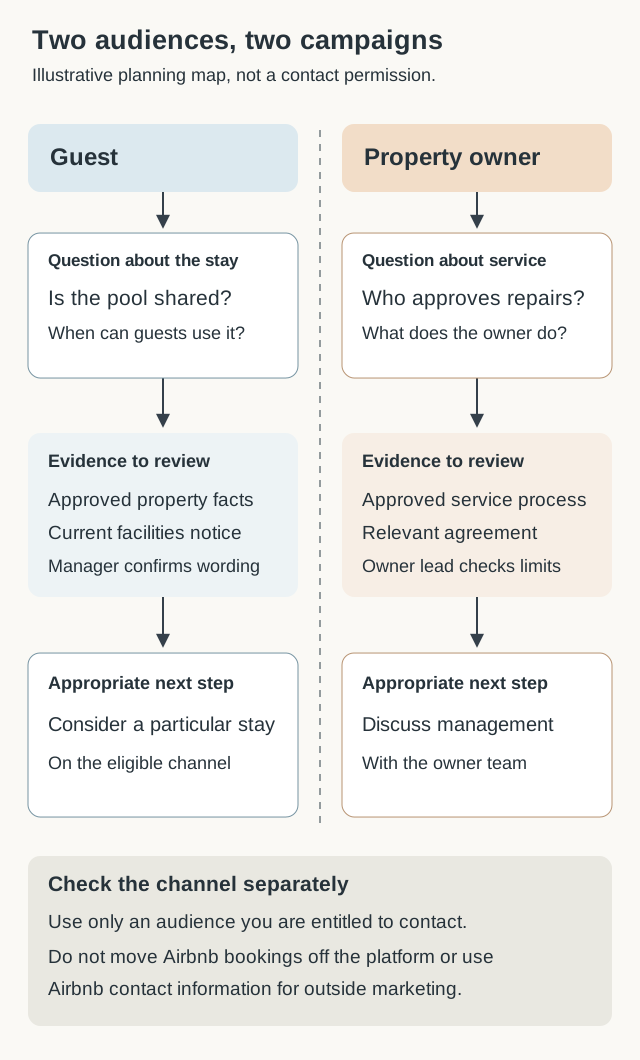
Your team confirms the audience, offer and current availability, then approves the send. Vacation rental marketing automation can help surface a mismatch between the promotion and what’s bookable. Establishing contact permission remains a task for the people responsible for your channels. A correct offer isn’t a promise to fill the calendar.
4. Explain your service to a prospective property owner
“If something breaks, who decides whether to repair it?”
Give the agent your approved management process and ask for an owner-facing explanation. The person handling owner relationships checks who decides, what information the owner receives and which arrangements need discussing.
Where the answer depends on the property or agreement, make that clear. One owner’s arrangement can’t become a promise to every prospect. Revenue projections would still leave this responsibility question unanswered.
This short term rental marketing needs an owner inquiry form or contact step. Sending the reader to a holiday booking page would send them to the wrong place.
5. Turn an owner question into a useful case example
How do you keep information accurate across listings? A documented update can show an owner more than the claim that you “handle everything.”
Return to the fictional pool, this time after its hours change. Three records let you explain the work:
| Record | What it establishes |
|---|---|
| Facilities notice | The proposed new hours. |
| Manager’s confirmation | The hours approved for the property information. |
| Listing revision record | Which controlled channels were updated and what was recorded. |
Ask the agent to prepare an account from those records, naming the roles involved. The manager confirmed the facts; the revision record identifies the channels changed. If one channel isn’t in the record, don’t imply that it was updated.
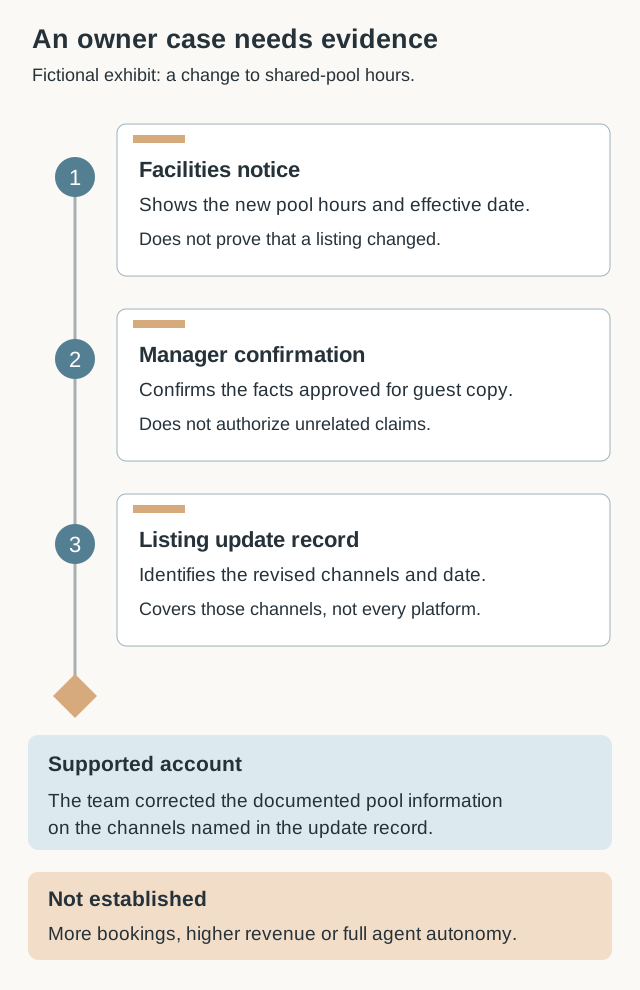
The file contains no booking or revenue results. It also doesn’t establish that an agent changed every listing autonomously. A useful case explains the process the evidence supports.
Before using a real example, obtain sharing permission and resolve missing records. Leave guest details out unless there’s a specific, justified reason to include them. A prospective owner needs to understand how your company handles the work, not read about someone’s holiday.
6. Find recurring listing questions before writing more content
“Will two cars fit?” keeps appearing in inquiries about one property. Revisit the parking description before commissioning another destination article.
An agent could group inquiry summaries you’re allowed to use and retrieve the property’s approved parking record. That puts the recurring question and the known information in front of the manager together.
Suppose the record confirms two parking spaces but says nothing about dimensions. “Two spaces” doesn’t answer whether these guests’ vehicles will fit. The manager needs to confirm dimensions, restrictions and any vehicle-specific limits; a photograph may leave those questions open.
Use vacation rental marketing to finish the existing explanation. Record later questions so you can see what remains unclear. Fewer inquiries alone wouldn’t demonstrate more bookings: you need booking evidence for that claim.
Start with the question you can answer
A pool description or rainy-afternoon guide serves a guest. An explanation of repair approvals or a documented listing update serves an owner. Pick a question for which your team already has dependable information.
A direct-booking promotion also requires an eligible audience and a current offer. Bring the relevant property record or management process to a BoastOS BoastAble services discussion. That gives the first piece of marketing something concrete to work from.
Prepared with AI assistance for BoastOS. The workflows and examples are proposed applications, not measured customer results.