
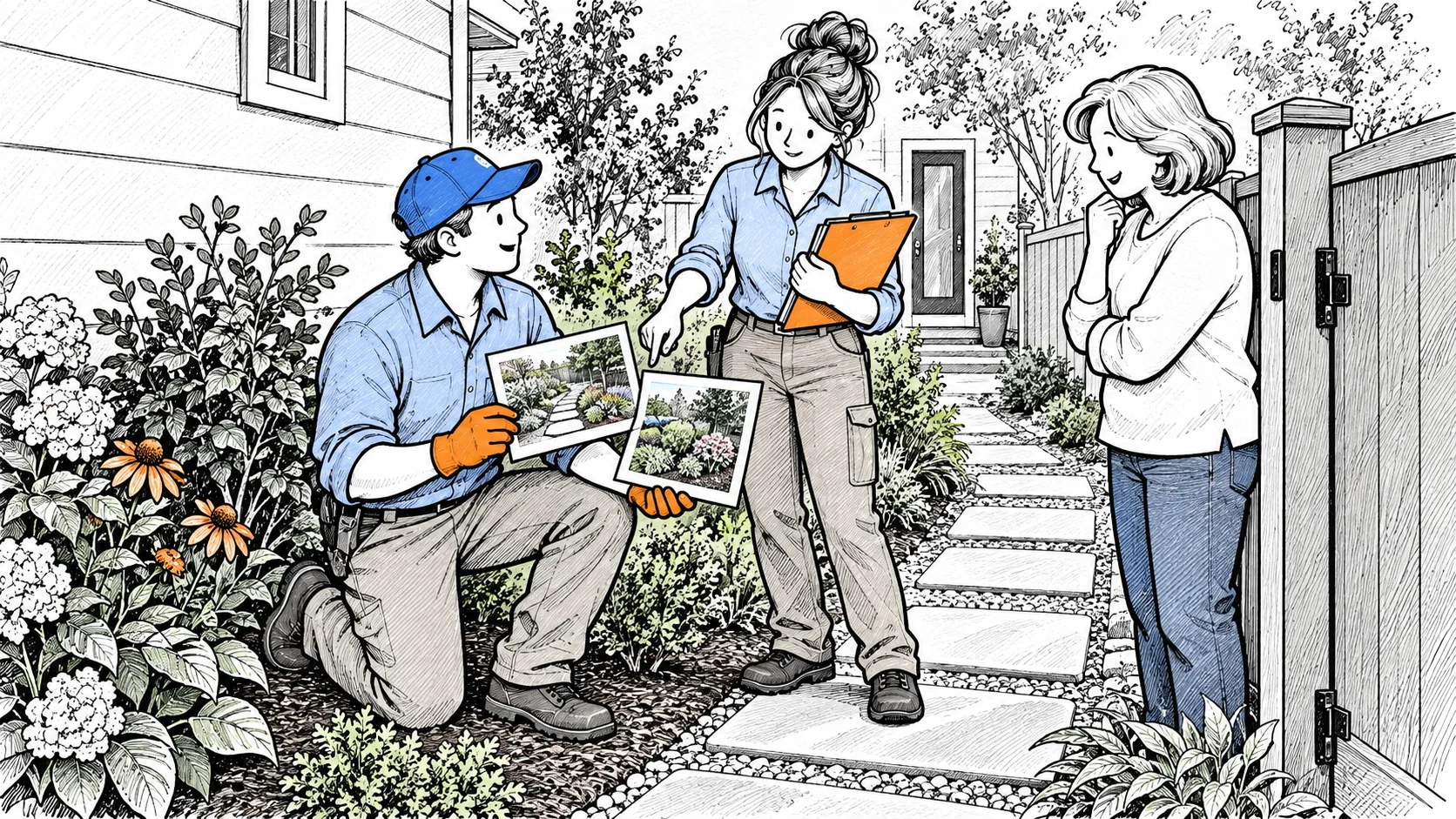
5 ways AI agents can make landscaping marketing more useful
The homeowner likes the garden in your gallery. It’s three years old. The plants in their estimate will arrive much smaller, and the caption ought to make that clear.
AI marketing for landscaping companies can help finish explanations like this. An agent could gather dated pictures, match them with project notes and prepare a story for the project lead to check. It needs suitable tools, access and instructions. Your team still makes horticultural decisions and confirms what the company can deliver.
These five jobs use fictional properties, packages and customer messages to explain proposed applications. They aren’t measured BoastOS results or demonstrated product features.
1. Prepare a seasonal campaign when the local trigger is right
Your marketing calendar says it’s time to promote bed renewal. Does the service lead agree? An offer copied from another region may arrive at the wrong time for your customers’ gardens.
The EPA’s WaterSense landscaping guidance discusses the importance of climate, soil, sun and shade, intended use and maintenance. That isn’t a campaign calendar, but it explains why your service lead needs to supply the local brief.
For this fictional bed-renewal offer, the lead sets the timing, identifies the kinds of properties it suits and explains what the consultation must establish. The office confirms whether it can accept inquiries. Give those decisions to the agent along with the service page and proposed audience.
Ask for an email and social drafts, plus any old wording that conflicts with the brief. The lead checks the timing before the send. If the office can’t accept inquiries, postpone the promotion or change its next step to something the office can actually handle.
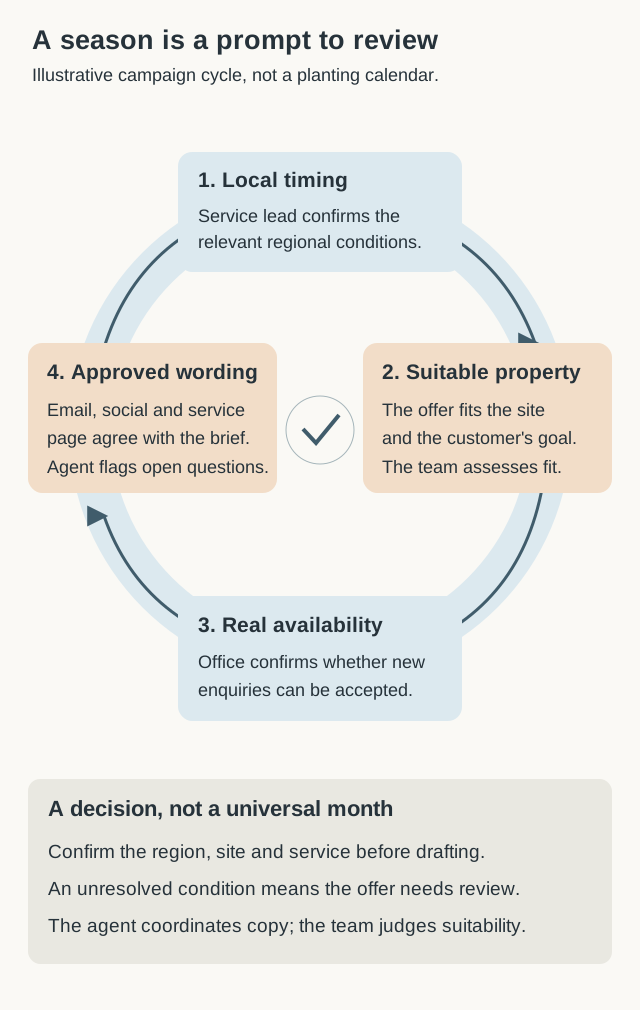
This is worth considering when you’ve made the seasonal service decisions but haven’t updated last year’s marketing. When choosing landscaping marketing ideas, ask why this offer makes sense here, now. The answer should come from the local brief.
2. Show how a garden project changed over time
Installation day and year three are different moments in a garden’s life. Your gallery should let a prospective customer see which one they’re looking at.
Our fictional side-yard file contains photographs from before work, at installation and later. The homeowner wanted a clearer walking route between the gate and back door. The completion note records the path and planted bed; the later photograph shows fuller planting around the route.
Give the agent the notes and photographs with their verified dates. It could arrange a project story explaining the original goal, the work installed and the later view. The project lead then reads that account beside the records and answers any missing questions.
Here is a caption draft for the example:
The side-yard path connects the gate and back door. Compare the installation photograph with the later view to see the fuller planting around the same route. Each image is labeled with the date it was taken.
That last sentence requires actual dates on the images. If a picture is undated, label the date as unknown until someone can establish it. You can’t calculate how long the planting took to look that way from an undated photograph.
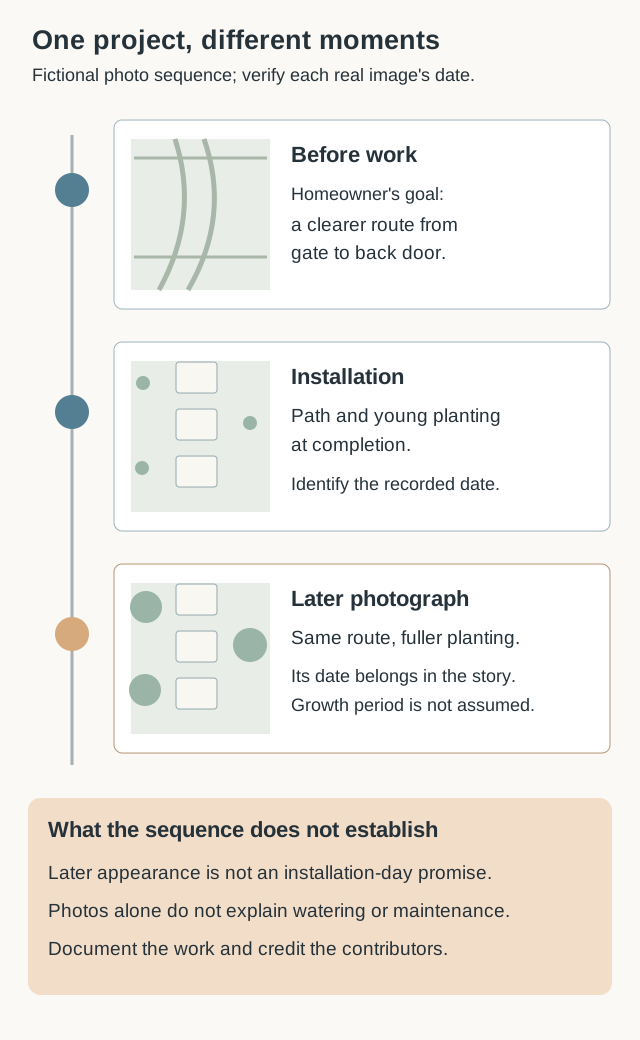
The photographs don’t establish how much watering or care the garden received. A maintenance account needs reliable records and a qualified reviewer. Keep that question separate from what the pictures show.
Once the lead has checked the story and sharing permissions, the agent can prepare a shorter social sequence. Retain the dates and credit the designer and other contributors. Read each caption alongside its own image: the meaning changes if a later photograph carries an installation caption.
If the pictures are scattered across several phones, gather them with the project decisions first. The resulting file should be something your team can explain before an agent tries to write about it.
3. Answer what a recurring visit actually includes
“Does the mowing package include weeding the flower beds?”
Give the agent your package description and the website copy. It can find the missing explanation and draft an answer for the office to check against the service record. Where bed work is separate, explain how to request it. Where packages vary, explain what determines the arrangement.
A finished answer belongs on the service page and in the office’s replies. Start here if this is the question your landscaping marketing keeps leaving unanswered.
4. Help a homeowner compare two services
“We want to change the bed” points toward a renovation conversation. “We like the bed but need help caring for it” points toward maintenance. A homeowner might need both, and your service page can explain how to begin.
Ask the agent to compare your approved service descriptions and draft the explanation for someone considering contacting you. It should cover the consultation and work the homeowner would still handle. Refer gaps to the person responsible for the service.
| What the homeowner asks | What the page should explain |
|---|---|
| Can we change the bed’s layout? | How the renovation consultation works and how proposed work is assessed. |
| Can someone care for the bed we have? | The maintenance arrangement and the work it can include. |
These examples help a reader choose a conversation. Your team still assesses the property, the goals and plant health. Don’t turn a comparison into a recommendation for an unseen garden or a promise that planting will be maintenance-free.
5. Follow up on the decision holding an estimate open
“We like the new bed, but could we keep the shrub beside the gate?”
That estimate is waiting on a design decision. Have the agent retrieve the layout and current estimate and put them beside the customer’s message for the designer. Once the designer answers, it can prepare a reply using the explanation.
Perhaps an inspection is needed before the shrub’s suitability can be assessed. Say that in the reply. If retaining it changes the proposed work, the responsible person needs to resolve the estimate too. The draft shouldn’t quietly approve a redesign.
Landscaping marketing automation can help the office assemble those records for the next conversation. Before sending, check whether the inquiry remains open. A decline, or a question already resolved elsewhere, ends this follow-up.
Find the first file
I’d choose the photo story if your project folder already contains dates, decisions and permission to share. If those records are missing, the package explanation may be easier to finish. An open estimate needs the designer’s answer, and a seasonal offer needs the service lead’s timing decision.
Bring the relevant file to a BoastOS BoastAble services discussion about the job you want completed. Have the person who knows the work check the draft beside its records before you expand the task.
Prepared with AI assistance for BoastOS. The workflows and examples are proposed applications, not measured customer results.