
5 AI marketing jobs for auto repair shops that start with a customer's question
The customer asked you to get back in touch about a maintenance item. Before the reminder goes out, the service advisor notices a later invoice: the work has been completed. That small piece of history changes the message.
AI marketing for auto repair shops can help bring records and customer questions together before someone writes a reply. An agent with suitable access and tools could collect the relevant notes, prepare a draft and send unresolved questions to the service team. The value comes from explaining the right next step for the customer.
These five proposed jobs use fictional visits and messages. They do not describe tested BoastOS features or customer results. The shop’s advisor or technician remains responsible for vehicle-specific recommendations.
1. Find the reason a maintenance reminder belongs in the queue
A requested reminder has a history. The customer discussed an item with the advisor, asked to hear about it again and may have contacted the shop since. Ask the agent to assemble that history before drafting the next message.
The advisor needs the customer’s request, relevant service record and applicable manufacturer schedule. The FTC’s Auto Repair Basics tells drivers to follow the manufacturer’s maintenance schedule for their type of driving and ask why a shop recommends work beyond it. A reminder should preserve the reason the advisor has confirmed.
Use this small review sheet for a reminder you are considering:
| Question for the service team | Effect on the message |
|---|---|
| What did the customer ask to hear about? | Connect the reply to that request. |
| What supports the proposed maintenance discussion? | Attach the relevant record and schedule for the advisor. |
| Is necessary information, such as current mileage, missing? | Obtain it before making a vehicle-specific claim. |
| Has the customer already completed the work or changed their request? | Let the advisor decide whether any reminder is still appropriate. |
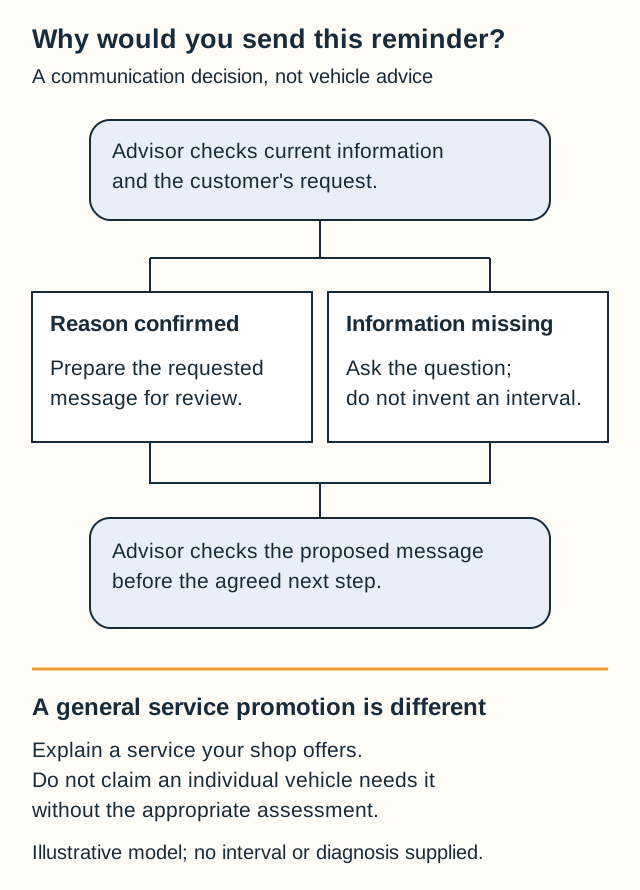
In our fictional example, the later invoice closes the original maintenance question. The agent should bring that record to the advisor, rather than send an “overdue service” email based on the first visit alone.
If the request is still open but the current details need checking, a draft could instead say:
You asked us to get back in touch about the maintenance item discussed at your visit. Please contact the service team so we can check the current details with you.
General auto repair marketing can introduce the services your shop offers. A specific reminder needs a checked reason to contact this customer about this vehicle. Adding their name to a seasonal promotion does not supply that reason.
2. Answer the appointment question before the customer arrives
“Should I bring the inspection report from the other shop?”
Our fictional shop invites the customer to bring it for discussion at intake. The advisor explains that the report does not replace the shop’s own assessment. Those two facts belong together on the appointment page.
An agent could combine the advisor’s account with permitted inquiry notes to draft that page and a shorter appointment reply. Have it distinguish what the customer can bring, what happens at intake and which questions remain for the service team.
For this example, the reply could read:
Bring the report you want to discuss with our advisor. We will explain our assessment process and talk through the next steps with you.
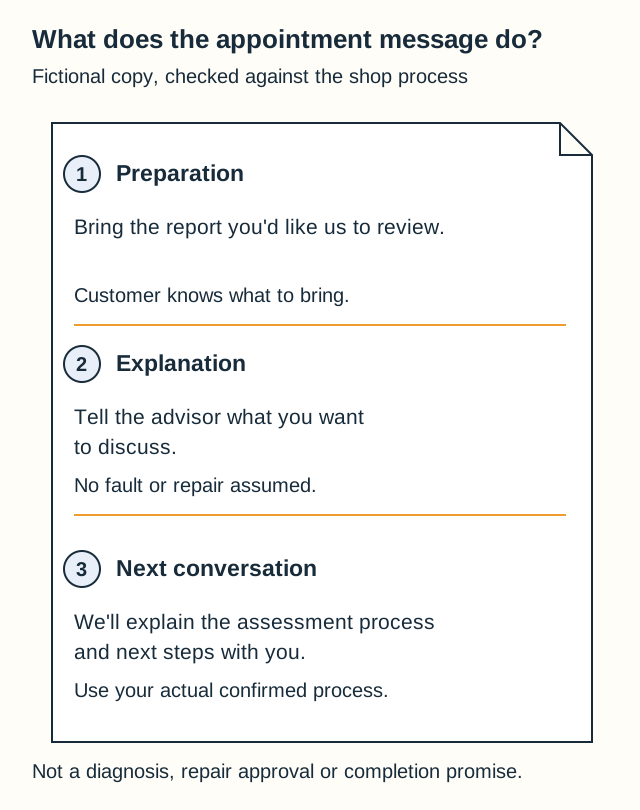
The FTC also advises customers to ask for a written estimate if they decide to have work done. Explain your shop’s estimate and approval process using the advisor’s checked wording. Neither a preparation page nor a booking reply should imply that repair work is authorized. Confirm appointment arrangements separately; leave an unconfirmed completion time out of the draft.
3. Turn a documented job into a story a driver can understand
Give the agent an approved technician account and a photograph the shop is permitted to use. Ask it to explain the assessment, the discussion with the customer and the agreed work in everyday language. The technical details should remain attached to their sources for review.
The technician checks that explanation. The customer-relationship owner checks permission and identifying details. If a source does not establish why a part failed, the story should not fill in a cause.
A useful repair story shows how this job was handled. A photograph alone cannot establish repair performance, and one documented diagnosis does not explain every vehicle with a similar symptom. Keep the story specific enough for a prospective customer to understand your work without treating it as advice about their own car.
4. Give a local campaign a visit people can actually arrange
Fictional Riverside Auto accepts passenger cars by appointment. Customers discuss drop-off with its advisor. Those arrangements give the campaign something useful to explain.
An agent could collect the accepted vehicle range, service description, location and appointment process, then prepare a local page, ad and email invitation. Consider these campaign decisions together:
- Page: Explain how to plan a passenger-car service visit at Riverside Auto, including how to discuss drop-off.
- Ad: Introduce that service and link to the page. Do not add same-day availability the office has not confirmed.
- Email: Invite the customer to tell the advisor which vehicle they are bringing and what they want to discuss.
The team checks each version against the same current arrangements. If the shop changes the work it accepts, find the active campaign pieces that need updating.
When choosing auto repair marketing ideas, a clear invitation for work your shop handles is more useful than brand-specific pages for vehicles you cannot accept.
5. Find the replies that need changing when the process changes
The appointment page now explains that another shop’s report can be discussed at intake. An old email still says “send us your report and we can tell you what needs replacing.” The two messages describe different expectations.
Auto repair marketing automation could search the approved content library for those related explanations and assemble them for the advisor. The task includes the website answer, appointment message and saved office replies, with their current wording visible together.
First settle the unanswered process questions. Then have the agent prepare revisions from the advisor’s current explanation. Keep a record of which versions the team approved and which still await an answer; finding an old reply is not the same as correcting it.
Choose this job when the office keeps answering the same preparation question or a service process has changed. It produces a coherent set of reviewed explanations rather than a marketing chatbot making repair recommendations.
Choose the question your advisor can resolve
A first-appointment explanation can start with the shop’s actual intake process. A reminder needs the customer’s request and current records. A repair story needs an account the technician can verify and permission to use the material.
Bring one customer question with identifying details removed, together with the shop’s approved explanation, to a BoastOS BoastAble services discussion. Choose the message or page that would make that next conversation clearer.
Prepared with AI assistance for BoastOS. The applications are proposed and the worked scenarios are fictional; no customer results or vehicle-specific advice are claimed.