
6 AI marketing jobs that help commercial cleaners answer facility buyers
“We clean offices” tells a facility buyer what you do. It doesn’t explain when the work could happen, who handles a concern or what happens after a site discussion.
AI marketing for cleaning companies can help prepare those explanations. An agent could collect current service descriptions, approved examples and prospect questions, then draft a page or reply for the team to review. Suitable tools, instructions and record access are needed for the proposed jobs below.
All businesses and inquiries in these examples are fictional. These aren’t tested BoastOS features or measured results. This article concerns commercial cleaning marketing, not cleaning procedures or sanitation advice.
1. Answer the buyer’s questions on the service page
Start with a question your salespeople hear. A buyer asking how concerns are handled needs your communication process: whom to contact, how the concern is recorded and what discussion follows.
Give the agent that description and permitted inquiry notes. Ask for a service-page section your operations lead can check. It should describe the service you actually provide, without adding an unapproved response-time promise.
| Buyer asks | Page needs to explain | Source |
|---|---|---|
| Can you work around our office schedule? | How timing is discussed for a particular site. | The scheduling process and buyer’s stated needs. |
| Who handles a concern? | The contact route and follow-up process. | Approved customer communication arrangements. |
| Where is the agreed service recorded? | What the proposed description contains and how questions are resolved. | A checked, anonymized document example. |
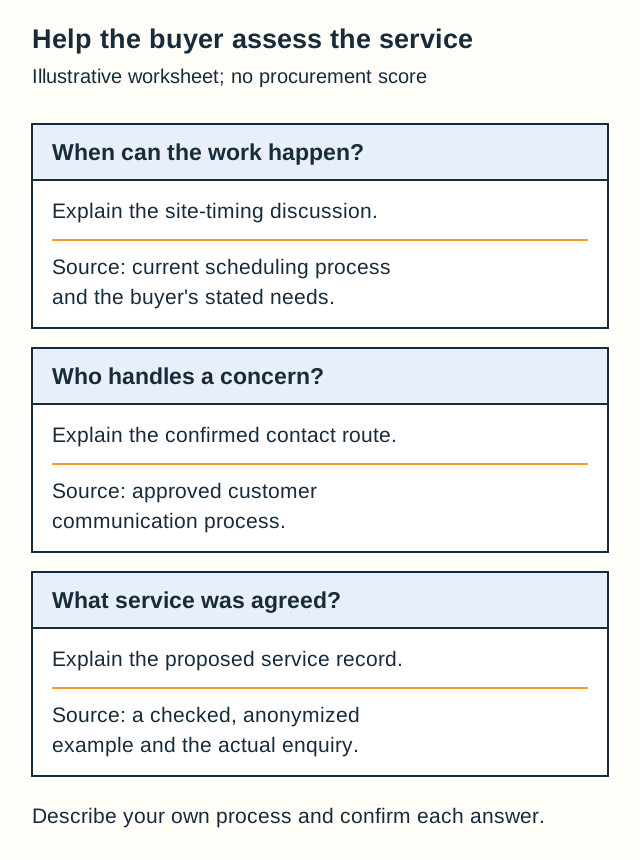
In his ISSA article on AI in professional cleaning, Allen Rathey discusses applications in relation to the work of each operation. For this marketing task, describe your operation before asking an agent to explain it.
The finished page should let a buyer understand how to begin the discussion and which information your team needs. Site-specific decisions remain for the people assessing the site.
2. Build a facility-sector campaign from relevant experience
Suppose your approved material describes a shared office building. Use it for an office campaign: a service page, email introduction and explanation of how you discuss tenant spaces and the building’s schedule.
An agent could prepare those pieces from the same records, keeping examples relevant to office buyers and flagging unsupported claims. That building experience doesn’t establish healthcare cleaning qualifications.
Choose commercial cleaning marketing ideas for a sector you genuinely serve. Your sales and operations staff can explain what its buyer needs to know before a site conversation. Use your own process and approved photographs to help the reader recognize a relevant inquiry and decide whether to contact you.
3. Turn a site enquiry into a useful briefing note
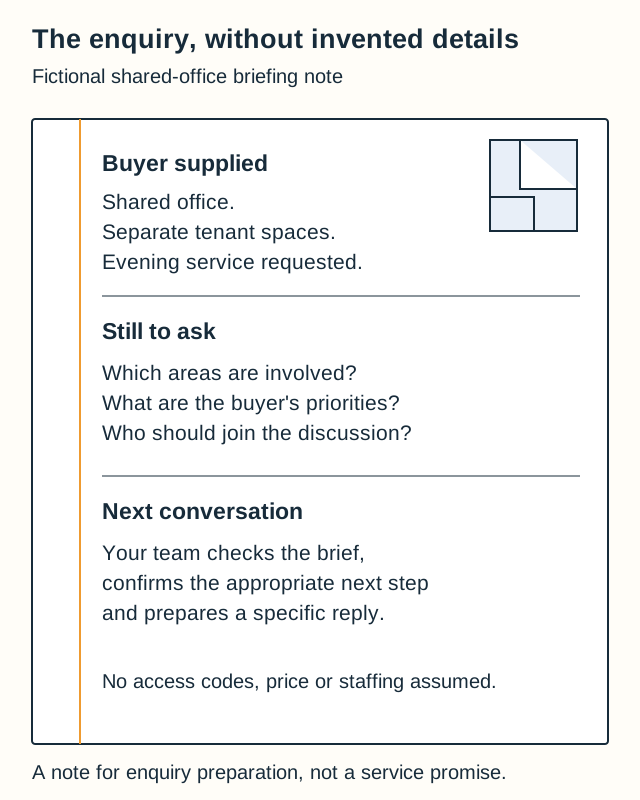
“We manage a shared office. The tenants have separate spaces, and we’d like to discuss evening service.”
An agent could prepare the sales team’s brief from that message. Record the shared office, separate tenant spaces and requested evening service as information supplied by the prospect. List the areas involved, buyer priorities and next discussion as questions to confirm. The message isn’t a complete service specification.
A reply draft might read:
Thank you for outlining the shared-office inquiry. We can discuss which areas are involved and your preferred service timing. Who should join that conversation?
Your team checks the reply and confirms the next step. The assembled note can help them ask useful questions; it doesn’t establish staffing, access, price or a service commitment.
Keep keys, alarm details and other site-security information out of marketing material. This brief explains the inquiry, without reproducing a building’s access instructions.
4. Make a documented service story easy to assess
A photograph of an immaculate reception area needs the account of your work beside it. Otherwise a prospect can’t tell what the company did.
Give the agent an approved photograph, agreed service description and reporting excerpt you’re permitted to share. For our fictional office account, it could prepare a story explaining the areas covered and how the customer received the agreed report. The account owner confirms what happened and what can be made public.
The record supplies the story’s limits too. Without a customer endorsement or measured outcome, leave those claims out. Keep the actual photographs; don’t manufacture a before-and-after image or treat the room’s appearance as evidence of reduced infection. The useful account explains the service and communication the records establish.
5. Prepare referral material that names the right work
A property contact offers to introduce you to an office manager. Prepare an introduction they can use to judge whether your services are relevant.
The agent could use your confirmed service area, office-cleaning description and inquiry contact. Our fictional company serves Riverton’s business district and has an inquiry contact named Mara. Its draft could say:
Mara’s team handles office cleaning in Riverton’s business district. If you’re reviewing service for your building, I can introduce you to discuss the areas involved and the schedule.
Use your actual area, work and contact in a real introduction. Your team reviews the wording, recipient and permission needed. Preparing this copy doesn’t authorize an agent to send unsolicited messages for you.
6. Follow up on the proposal question still unanswered
The buyer asks whether periodic floor work is included in the recurring service. Their question is already in the conversation; another invitation to “let us know if you have questions” would leave it there.
Commercial cleaning marketing automation could help connect the message with the current proposal and service descriptions. An agent would retrieve the relevant wording, draft an answer and show the estimator anything still unclear. The responsible person confirms the distinction before sending.
If the proposal needs changing, obtain the checked revision first. Completing the email isn’t a reason to add work, alter a price or invent a contract commitment. Once the answer is confirmed, the buyer can assess the service they’re considering.
Pick a question with an available answer
I’d begin with the service-page explanation if operations can supply the process today. An inquiry brief is another manageable starting job when prospects keep arriving with incomplete site information.
Bring a permitted example and the current explanation to a BoastOS BoastAble services conversation. The first piece of marketing should help a facility buyer understand your business and the discussion they need to have.
Prepared with AI assistance for BoastOS. These are proposed applications with fictional examples, not measured customer results or cleaning instructions.