
6 AI marketing jobs for restaurants, from menu to invitation
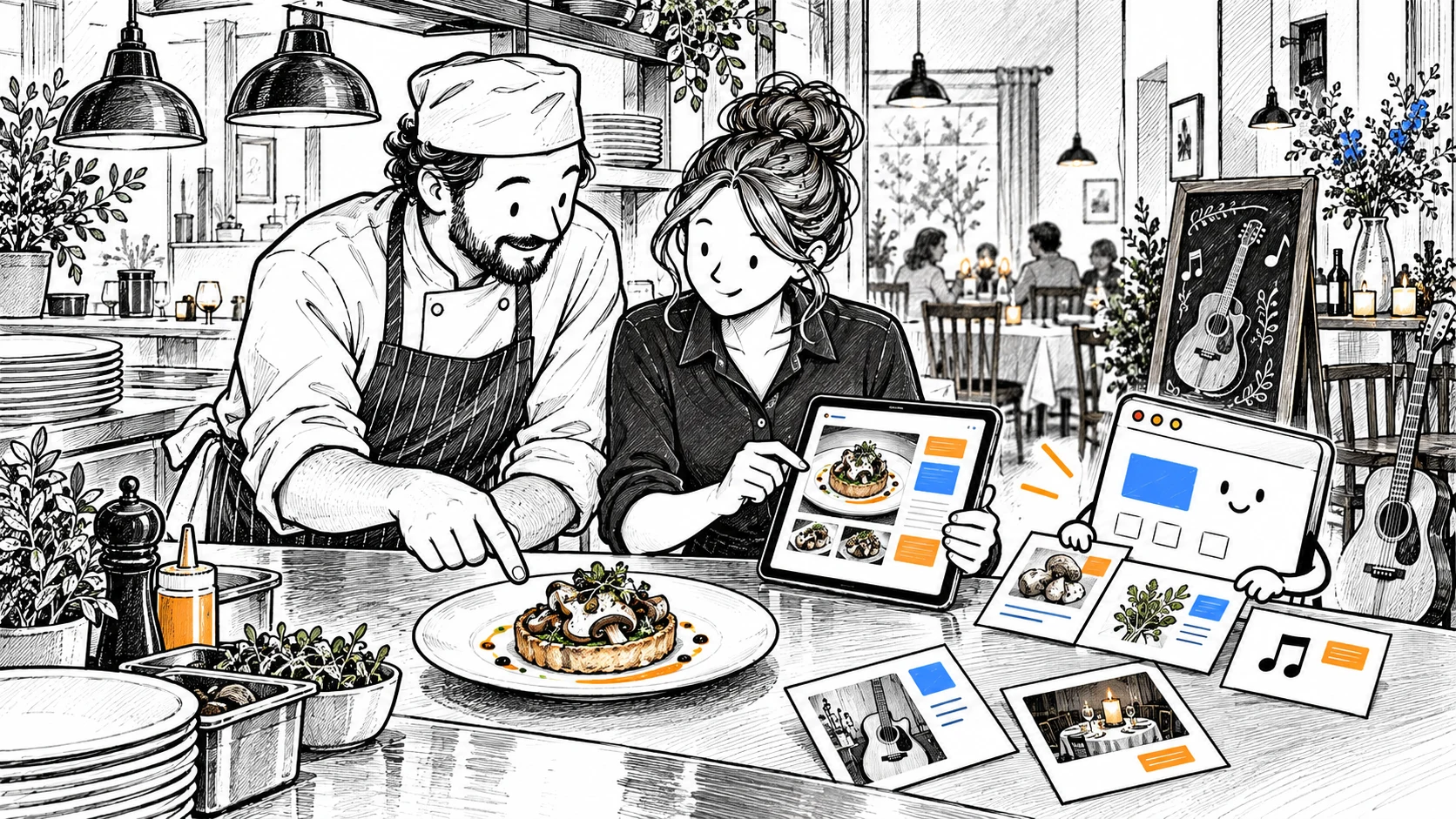
The mushroom tart looks good in the photograph. The draft caption offers it at lunch. There is one problem: the kitchen serves it only at dinner.
Restaurant marketing connects what people see online with the meal they can actually order. AI marketing for restaurants becomes useful when an agent can coordinate the menu, the occasion and the invitation, then bring the unresolved details back to the team.
The six jobs below are possible applications using suitable tools and authorized information. They are not a list of verified BoastOS features. A fictional neighborhood restaurant supplies the examples, so you can compare the work without treating an illustration as a promised result.
1. Build a promotion from the current menu
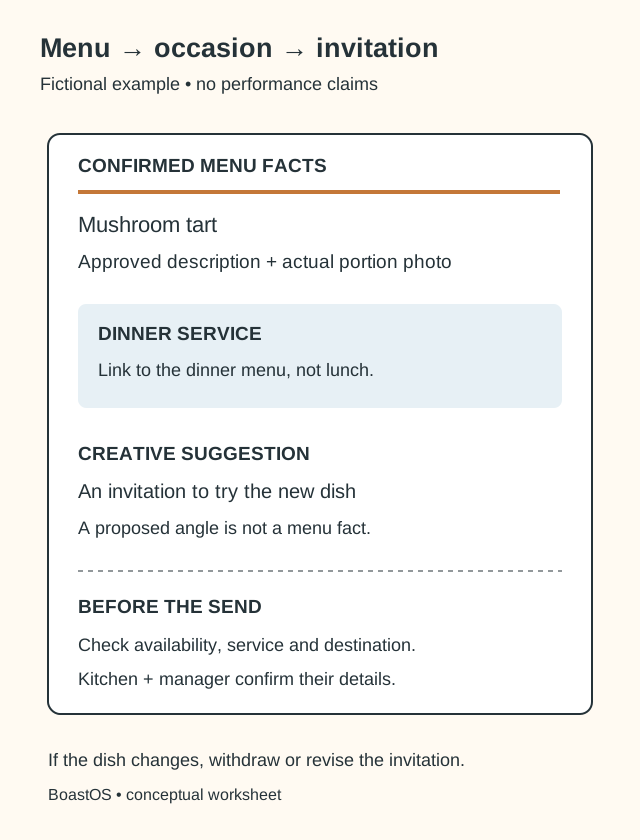
Imagine that the restaurant has added a mushroom tart to its dinner menu. The approved description names the filling and accompaniments. A photograph shows the actual portion. The manager has confirmed the service in which it is offered.
Those three sources give an agent something useful to coordinate. It could collect the current menu entry, match the photograph and draft a social post or email introduction. It should also check that the destination page shows the same dish and service. A lunchtime link attached to dinner copy is still a poor invitation.
Give the draft a small promotion sheet:
| Part of the promotion | Confirmed input | Copy decision |
|---|---|---|
| Dish | Current mushroom tart menu entry | Use the approved description; add no ingredient guesses. |
| Service | Dinner only | Say dinner and link to the dinner menu. |
| Photograph | Actual portion approved by the kitchen | Keep the image with this dish. |
| Availability | Manager’s current confirmation | Recheck before scheduling; prepare a withdrawal if the dish changes. |
| Creative idea | Suggested invitation to try a new dish | Keep it separate from menu facts and pricing. |
The sheet makes the review concrete. The chef checks the description and image. The manager checks when the invitation can run. Neither has to decode a paragraph that blends verified details with attractive guesses.
This is a useful first job when menu changes regularly create several pieces of marketing work. If the menu source is outdated, the agent has no sound basis for preparing a current promotion. Fix that input before asking for more posts.
2. Prepare an event invitation with usable details
“Join us for acoustic supper” sounds inviting. It does not tell a guest whether they need a reservation, when the music starts or whether the advertised price includes dinner.
For the fictional event, dinner service begins at 6 p.m. and music starts at 7 p.m. Those times answer different questions. An agent could assemble the approved event details, check the reservation link and prepare versions for the website, email and social channels. The invitation should explain the booking arrangement rather than imply that a table is held because someone clicked a post.
Return missing information as questions: Is there an admission charge? Is the regular menu available? Which seating can be reserved? The manager supplies the answers and confirms capacity before publication.
Restaurant marketing ideas tied to an event need this coordination more than they need another clever headline. An agent can help keep the versions consistent as the event changes, but it cannot make an unconfirmed performance or reservation available.
3. Turn a kitchen story into a sourced food post
A chef’s approved note explains why the kitchen roasts the carrots before finishing the dish. That is enough material for a short story about preparation. It is not evidence that the carrots came from a particular farm or that the recipe has been handed down through three generations.
The agent’s job could be to organize the note, select an approved photograph and develop a post that explains one interesting choice. If it needs a detail about the supplier or the chef’s background, it should ask for that detail rather than fill the gap with a plausible story.
Ask the chef to review the explanation and obtain permission for any named person, quotation or recognizable staff photograph. Keep guest images out unless their use is authorized. A food story can stay brief: one preparation choice, a clear photograph and the menu context give the reader something specific to notice when ordering.
4. Draft a local partnership proposal
A nearby theatre has an 8 p.m. performance. Your restaurant serves dinner before it. There may be a useful partnership, but a shared neighborhood does not make a dinner-and-show offer real.
An agent could research the theatre’s public event page, record the date and advertised start time, and prepare a proposal for the manager. It might suggest a dinner invitation that gives guests time to reach the venue. The manager still needs to confirm the restaurant’s service arrangements and discuss the proposal with the theatre.
Separate three stages: a researched opportunity, an agreed promotion and the public invitation. The first draft belongs in the first stage. Do not present a discount, ticket bundle, endorsement or reserved table as agreed before both businesses have confirmed it.
This job suits restaurants with an actual nearby partner and a specific occasion. It is less useful as a generic outreach campaign that sends the same invented offer to every local organization. The agent prepares the research and discussion material; the businesses decide whether there is an offer worth making.
5. Prepare a relevant return invitation
Suppose a guest asks to hear about the next acoustic supper and permits an email update. That request gives the restaurant a clear reason to contact them when the next event is confirmed.
With authorized guest records, an agent could assemble the permitted audience, check the event details and draft that update. Exclude people who have withdrawn permission. A request for one event notification should not quietly become permission for unrelated promotions.
Restaurant marketing automation also needs a careful distinction between an observed action and a guessed motive. A guest who has not returned may be traveling, visiting another neighborhood or simply eating elsewhere. A visit record does not establish dissatisfaction, and an agent should not invent a personal reason for the invitation.
The person managing guest communications approves the audience and wording. Start with an explicit interest you can honor. Avoid dietary, financial or emotional assumptions that the guest never supplied. Without appropriate permission and usable records, choose a public menu or event job instead.
6. Turn dining questions into page improvements
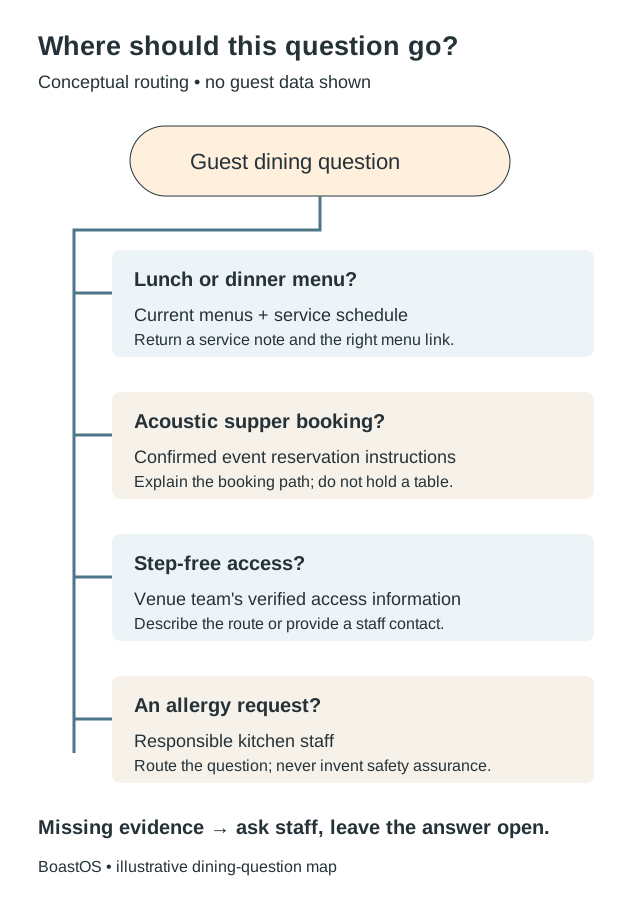
“Is the dinner menu available at lunch?” should lead to a clear service explanation. “Can I get into the dining room without steps?” needs verified access information. “Is this dish suitable for my allergy?” needs a response from staff responsible for the ingredients and preparation.
An agent could group recurring, appropriately collected questions and propose updates to the menu, booking or practical-information pages. Each proposed answer should identify its source and the person who can confirm it. Where a question lacks an answer, the output should be a request for information.
These are different routes, not interchangeable FAQ paragraphs:
| Guest question | Source to request | Useful output |
|---|---|---|
| Which menu applies to lunch? | Current service schedule and menus | A clear menu link and service note. |
| How do I book acoustic supper? | Confirmed event booking instructions | A direct reservation explanation. |
| What is the step-free route? | Verified information from the venue team | An accurate access description or a staff contact. |
| Can the kitchen accommodate this allergy? | Direct confirmation from the responsible kitchen staff | A route to discuss the request; no AI safety assurance. |
The benefit is a proposed page improvement that addresses a real obstacle to planning a visit. The agent organizes the questions and finds the missing inputs. It does not decide food safety or infer physical access from a photograph.
Choose a job the restaurant can support
The current-menu promotion is a practical starting point when the dish, photograph and service details already exist. The event invitation is a stronger choice when an upcoming occasion has confirmed arrangements. Guest messages need usable permission records; partnerships need an actual agreement before their public promotion.
Choose the recurring piece of work that has reliable inputs and a clear reviewer. If you want help considering that choice, explore BoastAble implementation services for your restaurant’s marketing work.
Prepared with AI assistance for BoastOS. The menu, event and guest examples are fictional illustrations, not restaurant results or verified BoastOS capabilities.