
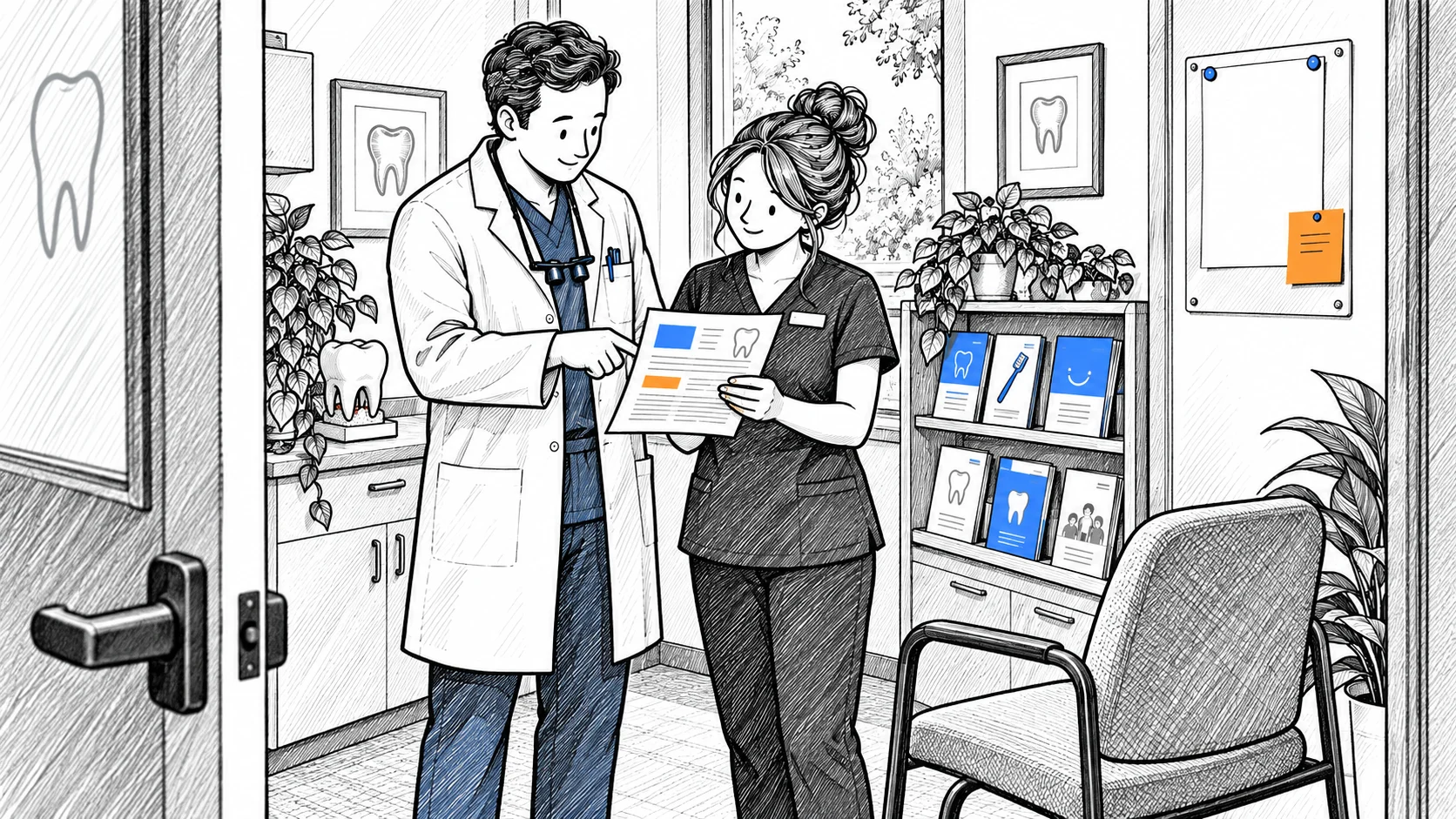
5 dental marketing jobs AI can prepare for your practice
“Do you have appointments after lunch?” Your office can check. “Would whitening suit me?” The dental team needs to discuss that with the person asking.
Both questions may arrive through the same form. AI marketing for dental practices could help collect the relevant information and prepare a reply for the right reviewer. It could also support educational pages and campaigns built from what your practice has approved.
The five jobs below are proposed workflows for small practices, requiring suitable tools, access and staff review. Practice details, events and messages are fictional. They aren’t clinical advice, customer results or tested BoastOS features.
1. Prepare an explanation a dentist can actually review
The FAQ question is straightforward: “Will everyone need X-rays at their first visit?” A universal yes would replace the clinician’s decision with a marketing promise.
The ADA’s common questions about dental visits describe discussion of medical history and an examination, with a decision about whether X-rays are needed. Give an agent that source and the practice’s clinician-approved visit information. Ask for an FAQ plus a review copy showing where each clinical statement came from.
A proposed answer could read:
At your visit, the dentist will discuss your medical history and examine your mouth. The dentist will decide whether X-rays are needed. Bring your questions so you can discuss what to expect.
The dentist checks that wording against the practice’s actual visit. The public source can’t establish local preparation instructions or confirm how your office schedules appointments. If your first-visit information hasn’t been approved, keep the copy in draft until those details are settled.
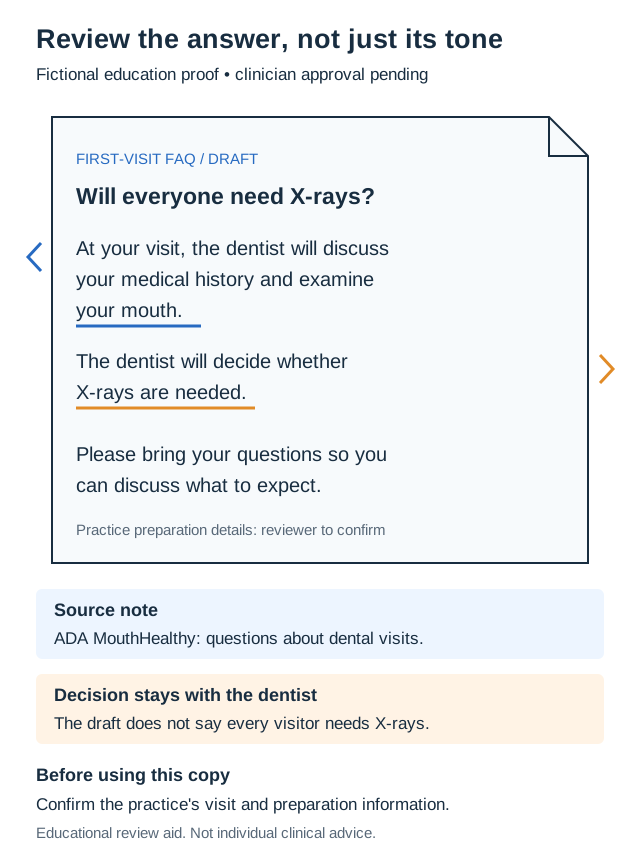
Choose this dental marketing job when the dentist receives polished educational copy but has to reconstruct its sources. A traceable review copy gives them a specific explanation to assess; it doesn’t mean clinical review has already happened.
2. Make the new-patient page answer practical questions
Our fictional manager has confirmed a step-free entrance, Tuesday afternoon appointments and the phone number for arranging a first visit. Those facts support a useful page:
Ask about Tuesday afternoon appointments for new patients. Our entrance is step-free. Call to discuss current openings and arrange your first visit.
An agent could prepare matching booking-page text and flag unanswered questions. Parking is absent from the notes, so ask the manager before describing a reserved space. Keep availability current and the contact action easy to find.
Choose this job when prospective patients keep calling to resolve website gaps. A practical office page can help them arrange a visit without suggesting a treatment is suitable for everyone who reads it.
3. Build an invitation around a community talk’s actual agenda
The library talk in our example covers preparing questions for a dental visit. Attendees can discuss what to ask about appointment preparation and how to raise concerns. The agenda contains no examinations or individual treatment recommendations.
An agent could turn it into this invitation:
Join our dentist at the library for a general discussion about preparing questions for your next dental visit. We’ll talk about what to ask and how to describe your concerns. Individual care questions need a dental appointment.
Add the presenter, date, location and registration details once the organizer confirms them. The dentist checks the promised coverage.
For further dental marketing ideas, the agent could group approved general questions into topic suggestions: “What should I bring?” under preparation; “How can I explain my concerns?” under questions to discuss. The dentist chooses what fits. Individual accounts stay out of the public invitation.
4. Give a service campaign a useful next step
Our practice wants whitening inquiries. It has approved neither a price promotion nor a result claim. The agent’s campaign draft could say:
Interested in the whitening options offered at our practice? Contact us to ask about the service and arrange a discussion with the dental team. The team can explain the next step for your circumstances.
Now check the link. Does it let someone request that conversation? If so, describe that action rather than saying it books treatment.
Read the ad alongside the landing page. “Ask about options” mustn’t become “a whiter smile in one visit” in the shorter version. A competitor’s price isn’t yours. A stock photograph isn’t a treatment result achieved here. Those are different claims requiring evidence the brief hasn’t supplied.
Select this job when the service and inquiry process are clear. Settle the claim and next step before producing more versions of the campaign; draft consistency doesn’t predict patient demand.
5. Sort an inquiry before drafting its reply
A question about Tuesday afternoons can use current office information. Staff could review a reply explaining that those appointments are offered and asking the person to contact reception to check current openings.
A whitening-suitability question goes to the dental team. The accompanying handoff could be:
| Detail | What reception knows |
|---|---|
| Question | Is whitening suitable for this person? |
| Answer needed from | Dental team |
| Appointment type | Not yet confirmed |
The reply can direct the person to reception to arrange the appropriate next step. It shouldn’t add a personal recommendation or guess the required appointment.
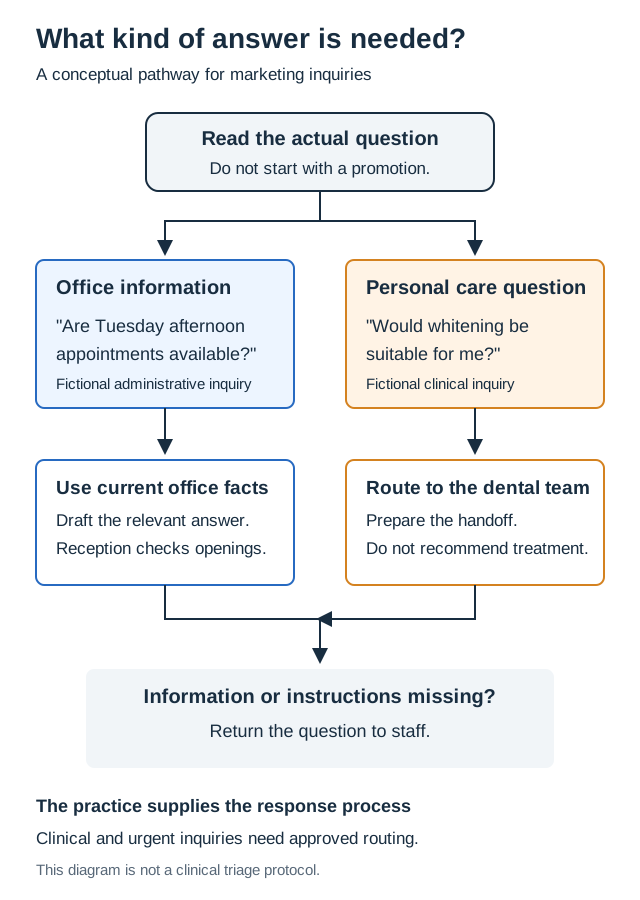
Dental marketing automation could help prepare these administrative handoffs from your approved process. Check that the draft answers the incoming question and reaches the right person. Missing information or routing instructions return to staff; an inquiry isn’t general permission to send service promotions. Clinical and urgent inquiries need the practice’s own approved process, beyond this conceptual diagram.
Bring one unanswered question
Start with a recurring website or inquiry question and the practice’s current answer. Identify who owns the office facts and who reviews clinical statements. Compare the agent’s draft with those sources and the action the visitor can take.
Bring that example to a BoastOS BoastAble services conversation to choose the first marketing workflow your practice wants to improve.
Prepared with AI assistance for BoastOS. Practice details, messages and event examples are fictional. These are proposed marketing workflows, not clinical advice, customer results or tested BoastOS features.