

5 AI marketing jobs that help gym prospects choose a next step
Your receptionist knows the introductory pass covers four visits. The ad says “try our classes.” Someone reads it as unlimited attendance and asks why their fifth booking isn’t included.
That fictional mix-up is a useful place to begin with AI marketing for gyms. An agent could work from the offer sheet, prepare different messages and find discrepancies before staff have to explain them at reception. The five jobs below also cover class invitations, member stories and follow-up.
They are proposed applications requiring suitable tools, access and staff review. The studio, offers, quotations and messages are fictional, with no tested BoastOS features or membership results claimed.
1. Explain a membership offer before multiplying its ads
Our studio’s introductory pass allows four class visits within 30 days of activation. Every class requires a booking. Price, eligibility and the included class list still need the manager’s confirmation before they appear in copy.
Give the agent the approved offer sheet and ask for a landing-page explanation, ad and answer to the unlimited-attendance question. The same allowance, expiry and booking condition should survive all three versions.
An example ad could read:
Try four class visits with our introductory pass. Use them within 30 days of activation and book each class before attending. See the pass details and available sessions.
Lay the drafts side by side. Does “four classes” mean visits or four class types? Did a caption lose the expiry? Did “book a place” become “drop in anytime”? Resolve those differences before the manager approves the campaign. Missing information should return as a question, rather than a guessed inclusion.
Choose this gym marketing job if the website, ads and reception keep giving different impressions of one offer. A clearer explanation is useful before you need more ads.
2. Turn a class brief into an invitation someone can act on
“Studio Foundations” is a name. A newcomer needs to know what happens there.
Our fictional brief describes a 45-minute introduction to the studio’s group-class format. It identifies the coach and room and supplies a booking link. From that record, an agent could draft:
New to our studio? Studio Foundations introduces our group-class format in a 45-minute session. Meet your coach, see how the session is organized and ask your first-visit questions. Choose an available session on the booking page.
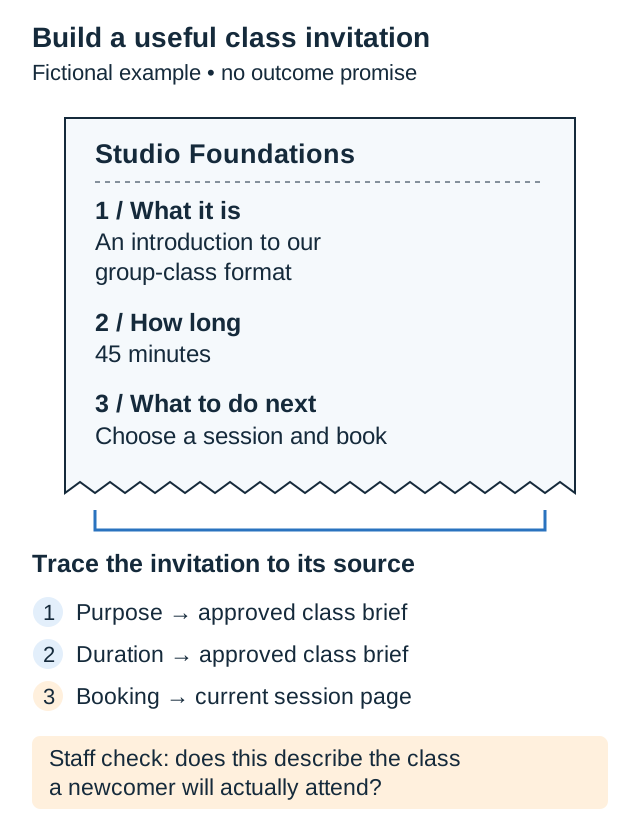
Staff check that invitation against the class. It explains an existing session, making this one of the more focused gym marketing ideas to try. Promising confidence or a fitness result would require evidence beyond the brief.
3. Keep a member’s own point in the story
The member’s approved words in our example are:
After a few visits, I started recognizing people in the evening class.
Build around that observation. An agent could prepare a short post introducing the quotation and inviting interested readers to ask about the current timetable. Familiarity is the subject; transforming someone’s fitness isn’t.
For a real post, use the member’s actual words, agreed attribution and permission for the photograph and surrounding copy. Have staff show them the final version. A caption that promises everyone the same experience would change the point the member approved.
This job is worth choosing when you have permissioned material but struggle to organize it into a story. The person quoted should still recognize what they meant.
4. Ask what would make a return visit useful
An attendance gap shows an absence during the period examined. You don’t yet know why.
Staff could select members for an invitation according to their contact preferences. An agent might prepare:
Would an updated timetable be useful? If you’re considering another visit, tell us which times you’d like to look at.
That leaves room for an answer without asking the member to justify their absence. Suppose they reply that evenings no longer work. If daytime sessions are available, staff could approve a follow-up sharing those sessions and their booking page. Another evening promotion would miss the information just supplied.
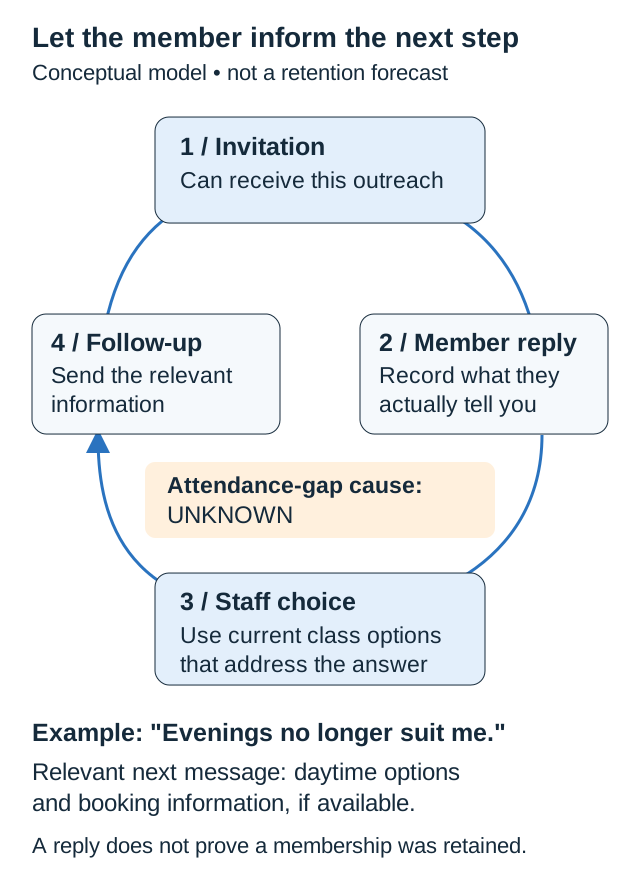
Choose this gym marketing automation job when return messages keep repeating themselves. Check whether the member’s reply informed the next message. Neither delivery nor a reopened conversation proves that an agent retained the membership, and the attendance record doesn’t establish unhappiness, motivation or intent to cancel.
5. Answer the prospect’s question about their first visit
They’ve booked an introductory session. Now they’re asking what to bring.
Our visitor notes say the studio supplies mats and visitors bring a water bottle. An agent could use those notes for a reply:
We provide the mat for your introductory session. Please bring a water bottle. Reply here if you have another question before your visit.
Footwear or equipment details missing from the notes go to staff for an answer. Injuries and exercise suitability need the appropriate staff response, rather than a personalized training recommendation in a marketing reply.
This is a small, practical job. The person needs help with the visit they’ve already arranged, not another invitation to book it.
Try the explanation at reception
Pick one current offer or class and gather its details. After the agent drafts the explanation, ask reception whether they could give the same answer without correcting it. That is a concrete first review before you expand into member stories or follow-up.
Bring that example to a BoastOS BoastAble services conversation, with the source and any unanswered staff questions. Decide which communication your gym needs first.
Prepared with AI assistance for BoastOS. The studio, introductory pass, class, member quotation and messages are fictional examples, not customer results or tested BoastOS features.