

5 AI marketing jobs for independent hotels
A guest chooses the garden room because the website shows a desk. The booking confirmation names a courtyard double. If those are different room categories, the marketing has already created a question the reception team will have to answer.
AI marketing for hotels is useful when it helps a small team connect the promises on a page with the details behind them. An agent could gather authorized information, prepare several related drafts and bring missing facts back for review. It needs suitable tools and reliable sources to do that work.
These five jobs focus on independent hotel marketing. The examples describe a fictional property; they do not establish what BoastOS currently supports or promise a booking increase.
1. Explain room categories without merging their features
At the fictional hotel, garden rooms have a writing desk. Courtyard doubles have a smaller seating area. Breakfast is included in one rate plan, rather than in every booking for either room category.
An agent could compare the approved room inventory, photographs and rate-plan descriptions, then propose clearer room pages. It could also flag inconsistencies between a campaign draft and the page it links to. The useful output is a description whose claims belong to the room and rate being advertised.
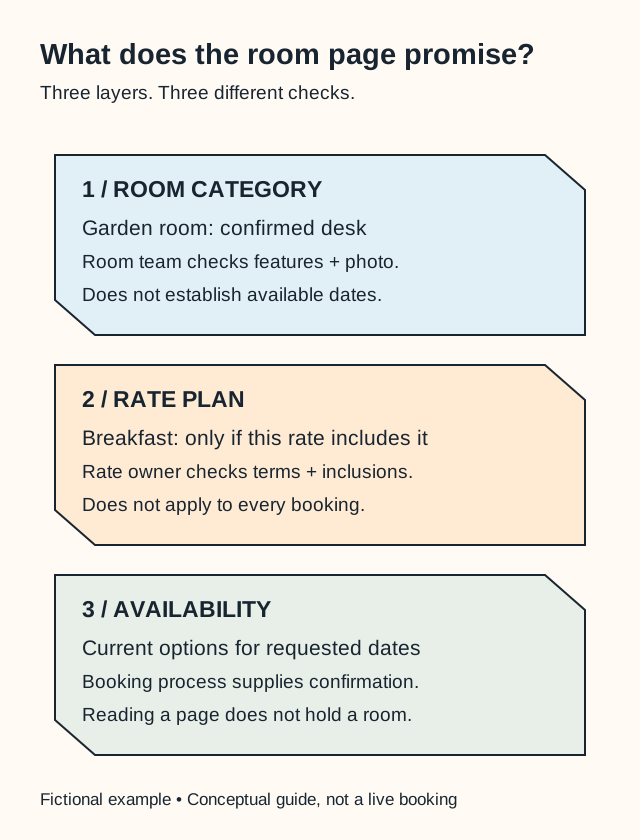
Keep three layers separate:
| Layer | What it establishes | What it does not establish |
|---|---|---|
| Room category | Confirmed features of the garden room or courtyard double | Availability for a guest’s dates. |
| Rate plan | Approved inclusions and booking conditions | That every rate includes breakfast. |
| Live booking information | Current options for the requested stay | A room held merely because a guest reads the page. |
That distinction makes a review much easier. Someone familiar with the rooms checks the features and images. The person responsible for rates checks inclusions and conditions. Availability comes from the current booking process.
For hotel marketing ideas that promote a particular experience, check the destination page first. A “work beside the garden” invitation should lead to a category with the advertised desk, not an attractive photograph borrowed from another room. If the source records cannot explain the difference, ask the hotel team before preparing the campaign.
2. Build a destination guide with a source trail
A guide to the neighborhood can help someone decide whether the hotel suits their visit. It is less helpful when every attraction is described as “minutes away” and the opening details have no source.
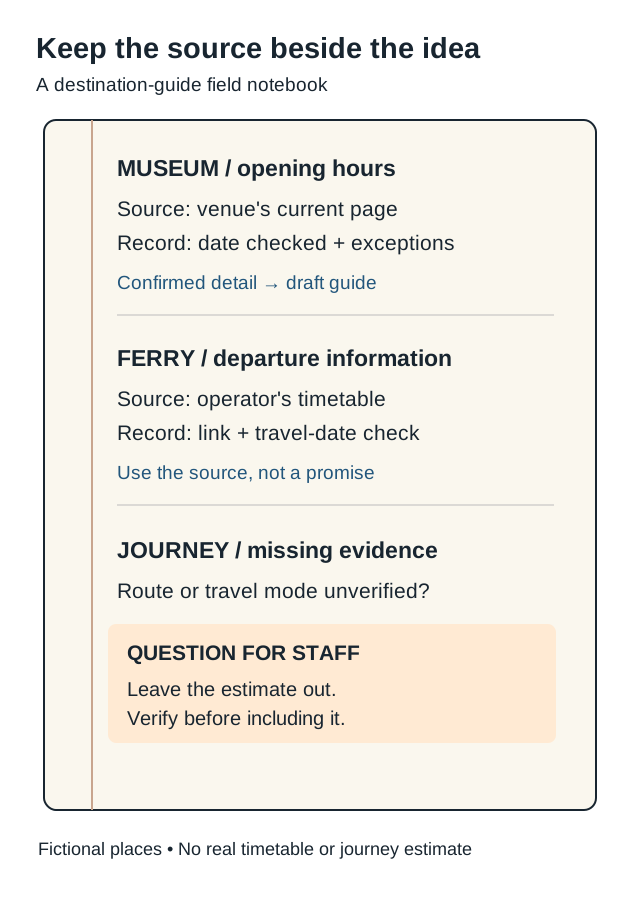
An agent could research public venue pages, collect the details relevant to a stay and prepare a guide for review. Keep a small source trail beside the draft. In this fictional example, the museum and ferry are invented places, not travel recommendations:
| Guide detail | Evidence to collect | Review decision |
|---|---|---|
| Museum closing time | Venue’s current page and date checked | Use the confirmed hours; note exceptions where relevant. |
| Ferry departure | Operator’s current timetable | Link to the timetable instead of promising a departure. |
| Journey from the hotel | Verified route and stated travel mode | Leave an estimate out until it has support. |
| Suggested afternoon | Editorial combination of confirmed details | Label it a suggestion, not a hotel-arranged excursion. |
The guide should explain choices a visitor actually faces: what fits before dinner, which details need checking for the travel date and where to find the original information. Hotel staff review the local context. The agent should not invent an insider recommendation, firsthand visit or partnership to make the guide sound more personal.
3. Prepare a seasonal offer from approved terms
Suppose the hotel approves a two-night autumn offer for selected midweek dates. The invitation might be easy to write. The difficult part is keeping its conditions intact across the landing page, email and social post.
An agent could assemble the approved offer record and produce those drafts together. Dates, minimum stay, included items and the correct booking destination should agree. Any unresolved condition comes back as a question. It should not turn “selected dates” into “all autumn,” or add breakfast because that sounds like a better offer.
Before scheduling, the hotel checks the wording against the current terms and booking arrangements. Keep a way to withdraw or amend the campaign when the offer changes. The agent can prepare the coordinated material; it cannot guarantee that rooms remain available or decide which rate the hotel should sell.
This job works best when a real offer already exists. More creative copy will not repair an offer whose dates or inclusions have never been agreed.
4. Draft a return invitation from an explicit interest
A guest asks to hear when the hotel announces its next garden weekend. That request is a useful starting point for a relevant invitation, provided the hotel has appropriate permission to send it.
With authorized records, an agent could find the permitted audience, check the confirmed weekend details and prepare the message. Remove people who have withdrawn permission. Keep the invitation within the interest the guest expressed.
Hotel marketing automation becomes less trustworthy when it turns a stay record into a guessed personal story. Booking a double room does not tell the hotel someone’s relationship status. A previous weekday visit does not establish a business role. The message does not need either assumption.
The guest-communications reviewer approves the audience and draft. If the property has no usable permission records, start with a public room page or destination guide instead. A small, clearly requested update gives the agent a better task than a broad campaign built around imagined guest personalities.
5. Organize a group inquiry before proposing a stay
“We need eight rooms for two nights” is a starting request. It leaves several things open: the dates, room mix, number of people per room and whether the group wants a meeting space.
An agent could extract the supplied details, compare them with the hotel’s approved information and prepare a reply containing the unanswered questions. It could organize a proposal after staff confirm the relevant arrangements. It should not convert a request for eight rooms into eight rooms allocated to the group.
For the fictional inquiry, the first output might read:
Requested: eight rooms for two nights. Still needed: arrival date, room mix, occupancy requirements and meeting-space request. Hotel confirmation needed: available allocation, applicable rates and any function-room arrangement.
That short record lets the reservations team see what is known before writing an attractive proposal. A photograph of a lounge does not establish meeting capacity. An earlier group’s arrangement does not establish the terms for this one.
The task is worth considering when group inquiries repeatedly arrive with incomplete details. The agent prepares a clear next conversation; the hotel makes the actual availability and offer decisions.
Start where the hotel has sound information
Room descriptions are a useful first choice when the categories and rate plans are documented. A destination guide suits a team with confirmed local information. Seasonal offers need agreed terms; guest invitations need permission; group proposals need staff confirmation.
Choose one recurring job with sources you can trust and a person who can review the output. Explore BoastAble implementation services for your hotel’s marketing work to discuss that starting point.
Prepared with AI assistance for BoastOS. The hotel, room and guest scenarios are fictional examples, not measured results or verified BoastOS capabilities.