

5 ways AI agents can help remodelers explain their work
A portfolio photograph shows the finished room. It rarely explains the homeowner’s original problem, the decisions made along the way or what another customer should expect from a consultation.
AI marketing for remodeling companies can help turn those scattered explanations into useful material. An agent needs permissioned access to the project notes, approved photographs and current process documents. It can then assemble a draft, identify missing information and bring the result to someone who knows the work.
Here are five proposed jobs for a remodeling company. The projects and messages are fictional; they aren’t customer results or demonstrated BoastOS features. Design, construction and estimating decisions remain with your team.
1. Build a project story around one documented decision
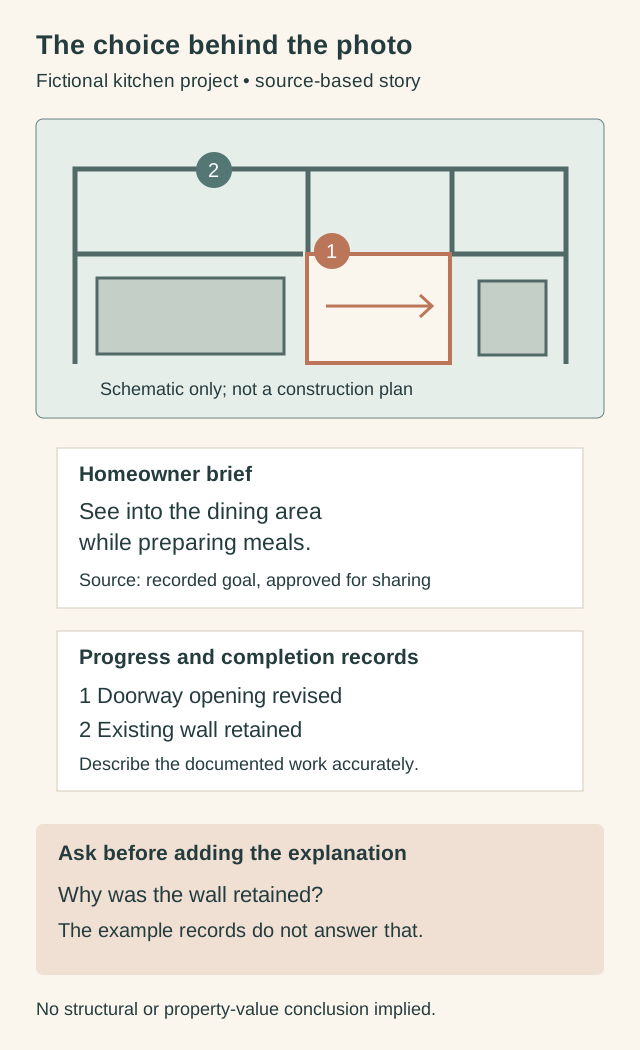
Imagine a kitchen renovation where the homeowner wanted to see into the dining area while preparing meals. The project manager recorded that goal. Progress photographs show a revised doorway, and the completed room still has the original wall.
Ask the agent to assemble a story from those separate records. Each statement should have a source: the homeowner’s request supplies the goal, the manager’s account supplies the work and the photographs illustrate it. A first draft could say:
The homeowner wanted a clearer view into the dining area while preparing meals. The team retained the wall and revised the doorway opening. These progress photographs show the change before the finished cabinetry went in.
That gives the reader something to understand beyond the cabinet color. It also exposes a missing explanation: why retain the wall? The agent should put that question to the project manager rather than infer a structural reason from the photographs. There is no basis in this example for a claim about added property value either.
For a fuller story, add confirmed alternatives, finish selections and coordination details. If an outside designer contributed, credit that work accurately. Check permission to share the photographs and the homeowner’s story before the draft leaves your office.
Once the project manager has checked the account against its sources, the agent can prepare a short social caption linking to the portfolio page and an excerpt for consultation material. Those versions should preserve the same explanation. A caption shouldn’t turn a documented doorway change into a claim about an entire open-plan transformation.
Choose a project whose decisions your team can explain. If the only available source is a finished photograph, first collect the missing account of the work.
2. Find the unanswered question behind a gallery enquiry
“Who helps us choose the finishes?” A bathroom gallery can prompt that question without answering it.
Give the agent enquiries you’re permitted to use and your current process description. It can identify recurring questions, locate the relevant website page and draft an answer. Suppose your contractor coordinates selections with an outside designer. The answer needs to describe that arrangement, including when the homeowner discusses it with you if it varies by project.
The operations lead checks the wording. An attractive gallery shouldn’t leave readers assuming you have an in-house design team when you don’t. This is one of the more practical contractor marketing ideas when the same uncertainty keeps appearing in your inbox.
3. Make the first consultation easier to prepare for
Inspiration pictures show taste. They may tell you very little about what the homeowner wants the renovation to solve. An agent can use your consultation process to build a preparation guide that helps people bring both.
For the fictional kitchen, three notes belong in different parts of the discussion:
| Homeowner’s note | How to use it at the meeting |
|---|---|
| “See into the dining area” | Explain the problem the renovation should address. |
| “Keep the flooring if possible” | Discuss a preference and its implications. |
| “Can we change the doorway?” | Ask the project team what needs assessment. |
A guide should make those distinctions clear. Bringing a preference to a consultation doesn’t make it agreed scope, and an inspiration image doesn’t establish a design or fixed price.
The National Association of the Remodeling Industry’s getting-started guide asks homeowners to consider supervision, relevant experience, who does the work and references. Address those questions using your own company’s confirmed answers. Don’t borrow credentials or assurances from another contractor’s website.
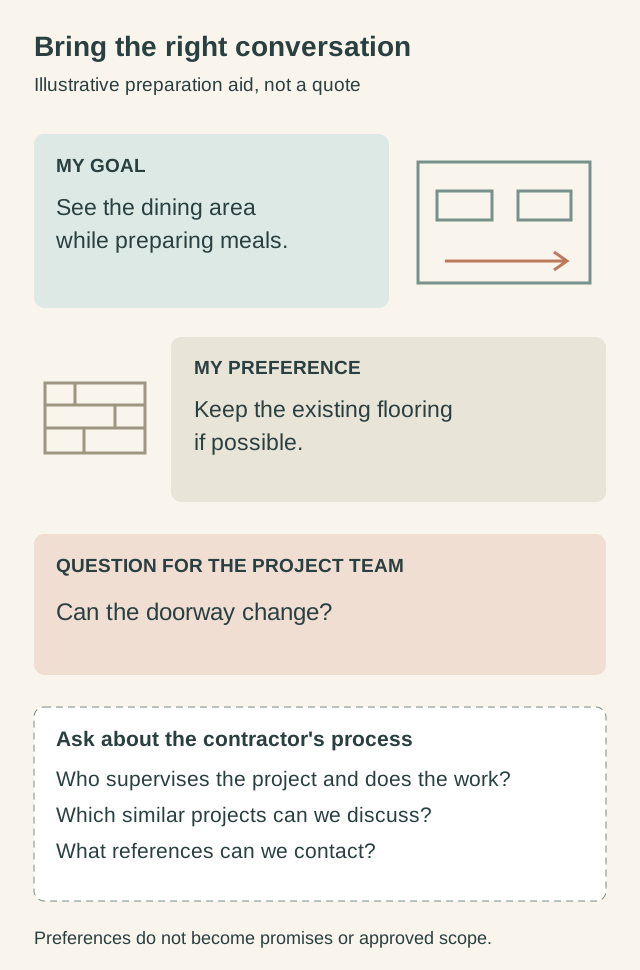
Ask the consultation lead what helps them prepare. If they want photographs, inspiration images or a short list of questions, the agent can include that advice in the guide and its enquiry email. Explain what the meeting covers and what your team will need to investigate afterward.
When the process changes, have the agent locate the website explanation and attachments still used in replies. The consultation lead can compare them before replacement. Otherwise, a homeowner may arrive following an old guide that promises something the current meeting doesn’t cover.
4. Match a referral request to a relevant project
A designer asks for an example of a kitchen renovation in an occupied home. Sending your largest whole-house project doesn’t necessarily answer that request.
An agent can search the approved portfolio for a suitable kitchen example and assemble a short partner packet: what the documented work involved, who coordinated it and where to read the full story. If the request concerns how the kitchen stayed usable, the project file must actually explain that. Ask the project manager if it doesn’t; don’t infer an occupation plan from a finished photograph.
Have the person responsible for the referral relationship review the selection, permissions and contributor credits before sending. The packet earns its place by answering this partner’s request with a supported example.
5. Bring an allowance question back to the estimator
“Does this allowance cover the tile we discussed?”
The useful next step is to put the estimate and selection discussion together. With access to the current records, an agent can check whether the product is identified and prepare a reply for your office. It shouldn’t decide what the allowance covers.
In this fictional example, the estimate contains an allowance but the product details are missing. The draft could read:
Your estimate includes a tile allowance. We don’t have the product details in the current selection record. Could you send them so our estimator can explain how that choice relates to the allowance?
Before sending, the office checks whether those details arrived elsewhere and whether the estimate remains open. The estimator handles any scope or price implications. A reassuring email that calls the tile “covered” would be premature.
Contractor marketing automation can help keep this unresolved choice visible to the right person. Once the homeowner supplies the information, the question is resolved or the customer declines, stop that follow-up. The next message should reflect the actual conversation.
Start with a question your records can answer
Pick an approved project story or a recurring homeowner question. Read the agent’s draft beside its sources, then ask the person responsible for that work to check it. Missing information is a reason to ask a question before sharing the material.
Bring that example to a BoastOS BoastAble services discussion about setting up your first marketing workflow.
Prepared with AI assistance for BoastOS. The workflows and examples are proposed applications, not measured customer results.