

5 ways AI agents help restoration companies explain their work
A plumber has repaired a leaking supply connection. The water has left a customer with questions about the affected room. The plumber can pass along a telephone number, but the customer still needs to know what the restoration company does and what calling it will set in motion.
AI marketing for restoration companies can help prepare that introduction. An agent could find gaps in the explanation, gather approved information and draft a referral pack. It needs access to the relevant records and clear instructions about which decisions belong to your team.
These five jobs cover referral introductions, service pages, project accounts and prospective-client questions. The examples are hypothetical. They describe possible workflows rather than tested BoastOS features or measured results.
1. Give referral contacts an introduction they can actually use
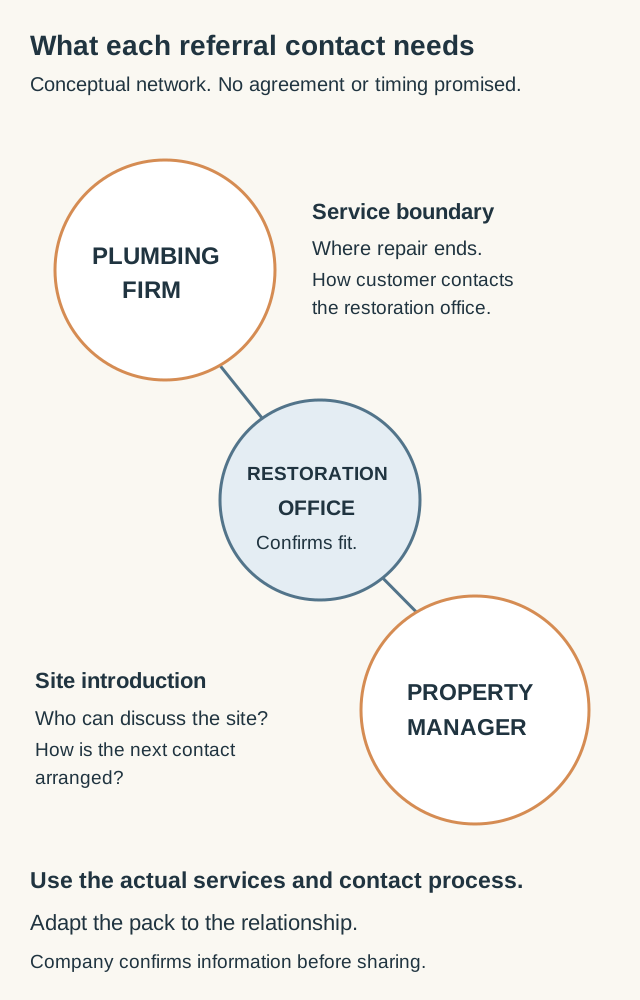
In the plumbing example, the repair is complete. A referral pack should explain where the plumber’s work ends and what your company can discuss next. A general brochure about every kind of property damage leaves that distinction unsettled.
Ask an agent to assemble a short introduction from your current service description, confirmed contact arrangements and an explanation already approved for sharing. The useful output is a draft your office can check against its actual services.
Different contacts need different versions:
| Referral contact | Question the introduction should answer | Detail the office must confirm |
|---|---|---|
| Plumber who repaired the supply connection | Who can the customer contact about the affected room? | Which inquiries fit the restoration company’s services and how the next step is arranged |
| Property manager | How should the person authorized to discuss the site be introduced? | The correct contact route and information needed for that discussion |
The office supplies missing answers. An established relationship with the plumber does not establish an attendance time for the next job. Keep any promise of arrival out of the pack unless the people arranging the visit have confirmed it.
Credentials need the same care. The IICRC provides a Certified Firm verification page and explains that firm status and technician certification concern different entities. Verify the business’s current qualifications before adding them. An individual employee’s credential is insufficient evidence for a claim that the business is an IICRC Certified Firm.
2. Answer the cabinet question on the service page
“Do you rebuild the cabinets too?”
For this fictional company, the answer is no: it provides restoration and does not rebuild cabinets. Another provider may offer both services.
An agent could compare the service pages with the approved description, flag contradictory wording and draft a plain answer near the relevant service. Your team settles the contradiction before changing the page. This is one of the more practical restoration marketing ideas when the office repeatedly has to explain which work a customer can request.
A short answer belongs beside the service description, where a customer deciding what to request can find it.
3. Build a project account that credits the right contractor
The marketing folder contains three pictures: an affected storage room, equipment during restoration and the room with its later finishes. They look like a complete story. The folder alone does not establish that they belong to the same job, or that your company completed everything shown.
For this hypothetical project, a separate contractor completed the finishes after the restoration team did its work. Ask the agent to assemble the images alongside their dates, permissions and job records. Give the reviewer the sequence and the proposed captions together.
The review can use three questions:
- Does each photograph match this project and the stage described?
- Do the records support the service detail and contractor credit in its caption?
- Is the image authorized for this public account?
A caption for the sequence could read:
The first two photographs show the storage room and equipment during our restoration work. A separate contractor completed the finishes shown in the later photograph.
Verified dates and service details would make the account more useful. A claim that your company made the room “like new” would take credit for the other contractor’s contribution.
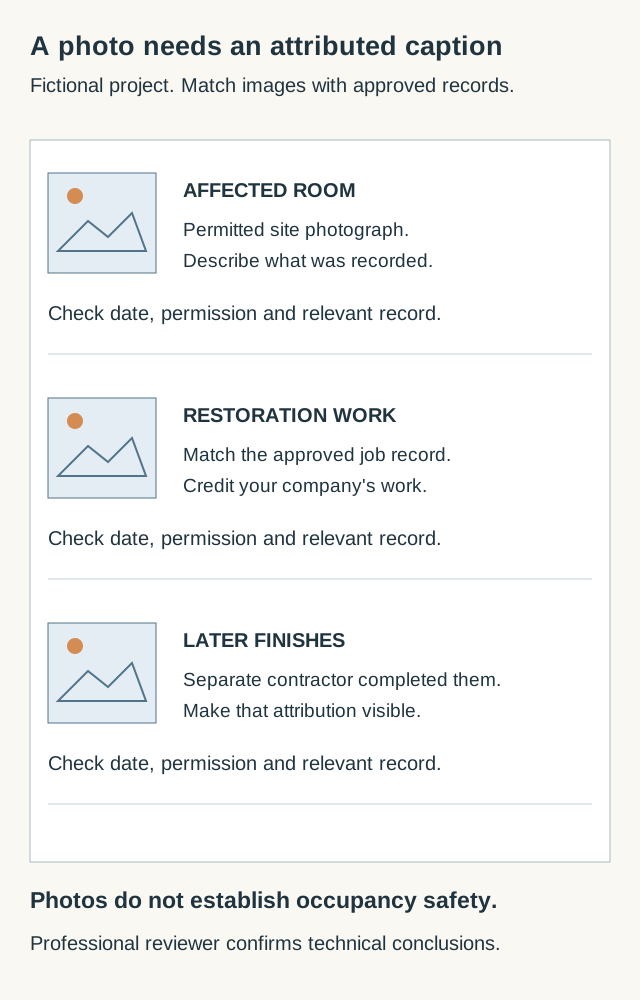
A professional reviewer supplies technical judgment. A cleaner-looking room does not establish safe occupancy, and a different camera angle cannot prove a treatment result. Keep those conclusions out of a caption unless appropriate evidence and professional review support them.
If the completion record is missing, hold the ending. The agent can identify the gap and prepare the documented portion; it cannot supply an outcome the file does not contain. Choose a project with enough records and permission to tell a useful, accurate story.
4. Explain what the first call means
For the fictional company above, a call starts a discussion of the inquiry. It does not book a visit. The office first confirms whether a visit is appropriate and available.
Supply that process and the recurring questions to the agent. It could draft a contact-page FAQ explaining who answers, which information the office needs and how the next step is confirmed. The office checks the draft and updates it when arrangements change.
The approved emergency route needs its own clear instructions. Routine restoration marketing automation can help maintain an explanation of the process, but a reply must not invent crew availability, an insurer’s decision or a completion date. Those commitments require the people responsible to confirm them.
5. Send the sample a property manager asked for
“Could we see an example of the completion report?”
Imagine a property manager comparing providers for a future job. They want to understand what information your company supplies. A reminder to accept proposed work would leave their question unanswered.
The agent could locate a sample approved for prospects and draft a response identifying the attachment. Before it goes out, the office checks:
- It is the approved version for sharing.
- Private customer information has been removed as required.
- The message identifies someone who can explain the sample through the agreed contact route.
Without a suitable sample, preparing one is the next task. The response should also make clear that the document illustrates your reporting. It is not evidence about work at the prospective customer’s property.
This is a non-emergency inquiry. Active emergencies belong on the company’s approved response process, where the responsible people can address them.
Choose the explanation you can finish
If the office answers the cabinet question every week, start with that service-page answer. The approved description can settle it. A project account needs more preparation: dates, permission, completion records and a clear account of each contractor’s contribution.
Bring the recurring question or a documented project folder to a BoastOS BoastAble services discussion. Choose one explanation a customer or referral contact needs, then gather the material required to finish it.
Prepared with AI assistance for BoastOS. The workflows and examples are proposed applications, not measured customer results.