

5 roofing marketing jobs an AI agent can help finish
You’ve got the finished-roof photograph. What you’d like to share with the next homeowner is the work behind it: the inspection notes, pictures taken along the way and questions that shaped the job. Those details can get left in the project folder.
AI marketing for roofing companies can start with that folder. An agent can match the notes to the photographs and draft an account for your team to check. Anything it can’t explain becomes a question back to the people who did the work.
These five jobs are proposed uses, not tested BoastOS features. The examples are hypothetical. You’ll need suitable tools, permissions and reliable records, plus someone on your team who can check the output.
1. Build a project showcase from the work already documented
The before and after pictures leave out the middle of the job. That’s often the part a homeowner needs explained.
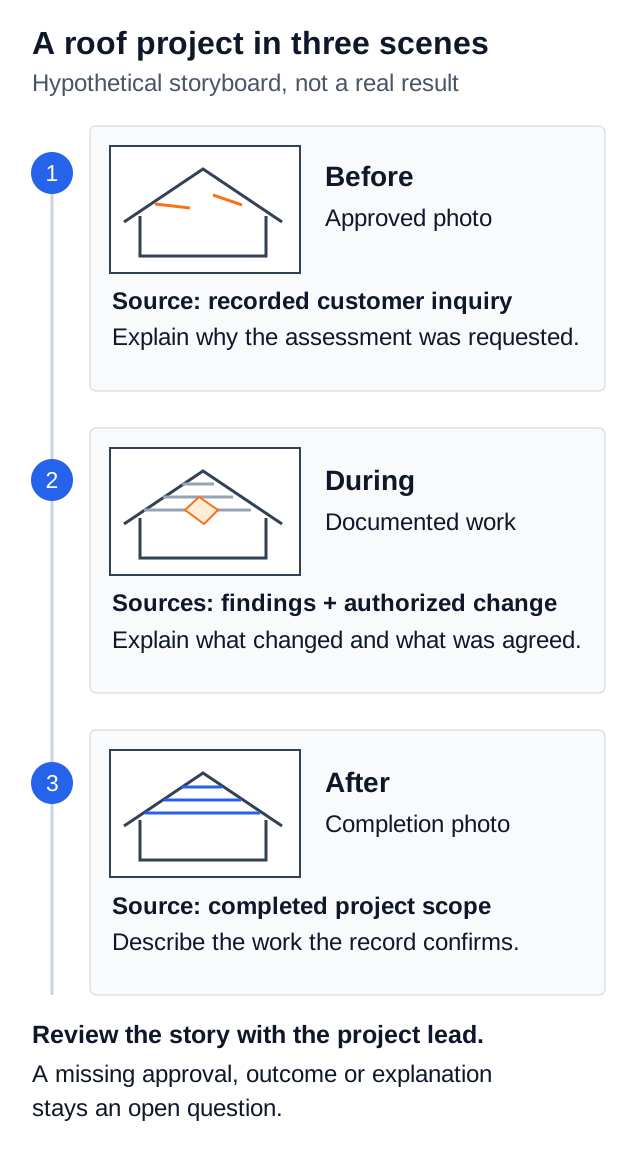
Our fictional replacement job has three photographs the homeowner has allowed you to publish. They show the original roof, an exposed section during work and the finished installation. The job record says the crew replaced a specified section of decking after removal.
Give those records to the agent and ask: What would a homeowner need to know to understand this project? The agent can arrange the photographs and match each one to the note explaining it:
- Use the recorded enquiry to explain why the homeowner requested an assessment.
- Use the crew’s notes and authorization to explain the decking issue found during work.
- Use the final scope and photographs to say what was installed and completed.
“New roof completed” would skip the change to the job. For the middle photograph, a draft caption might say:
After removing the old roofing, the crew documented a section of decking needing replacement. The homeowner approved the additional work before installation continued.
Let the project lead check the sequence and wording. If the file doesn’t record an approval or its timing, ask. Don’t fill that gap just to finish the caption.
After review, use the account on a portfolio page, in a short social sequence or during an estimate conversation. Keep the documented work the same in each version. None of these photographs can support a promise to prevent every future leak.
NRCA’s contractor-selection guidance encourages homeowners to ask for completed-project references and clear written proposals. Your showcase can help someone understand the example they’re being shown. It’s worth doing if you already have good photographs sitting unused.
2. Help homeowners compare the options you actually quote
You’ve quoted two options. The homeowner is trying to compare them, with the proposal in one hand and product information in the other. An agent can prepare one comparison sheet using both.
Use the same fields for each option: the product named in the quote, appearance, included work, price and warranty document. Where a detail is missing, write a question for the estimator. A blank on one side doesn’t mean the two options have identical terms.
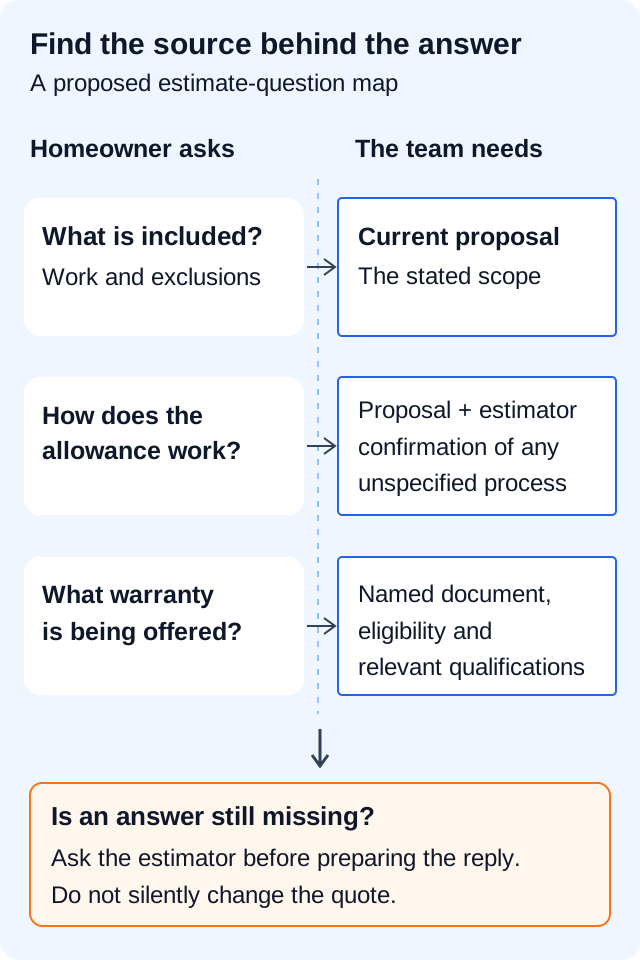
Take the word “lifetime.” What does the offered warranty actually cover, and what are the qualifications? GAF’s residential warranty comparison distinguishes coverage and eligibility across its own tiers. Read the document for the warranty in your proposal. Its title alone won’t explain it to the homeowner.
Have the estimator read the sheet before it becomes a handout or page. Product facts come from the manufacturer; the work you’re offering comes from your current quote. Leave out certifications you can’t verify and warranties you aren’t offering. The comparison explains the options. Assessment determines the roof recommendation.
Try this roofing marketing job when the option questions keep coming back. Show the estimator what’s still unanswered on the comparison sheet.
3. Prepare a timely inspection invitation
For an inspection campaign, get the service description, area and appointment-request route from the office. Have scheduling confirm any seasonal window. The agent uses those details for the invitation and landing page.
For our fictional business, the email and landing page might use this invitation:
Planning roof work before the next season? Get in touch about a roof assessment. We’ll explain the visit and confirm availability before booking you in.
Compare the email with the service sheet and booking page. If “free” appears in one and a charge in the other, the office needs to settle that before sending. The agent can flag the difference and remove people who’ve already requested the visit from the invitation list.
Keep the weather in perspective. It doesn’t tell you the condition of a particular roof, and an invitation can’t promise that an insurer will accept a claim. Describe the service your office can arrange.
4. Give referral partners a useful handoff packet
A real-estate contact helping a seller arrange an assessment needs to know how to request it. A manager responsible for several buildings may first need to know which roof types you work on. Give them different packets.
An agent can draft both from your approved services, service area, contact route and visit-request instructions. Add a relevant project example you have permission to share.
For the real-estate office, explain the assessment request. For the property manager, explain the building and roof types. Have the owner check each packet before sharing it.
Keep this among your roofing marketing ideas if partners keep asking what to send you. They should be able to introduce your company accurately. Mention only endorsements and referral agreements that exist.
5. Turn an estimate question into a clear explanation
The homeowner wants to know how the decking allowance will work. Until someone answers, a reminder to sign leaves them with the same question.
Have the agent retrieve the message and current proposal. Put the allowance passage beside the proposed reply for the estimator. When the proposal leaves a detail open, the estimator supplies the answer.
In this fictional example, the agent’s note for the estimator could say:
The homeowner asked how the decking allowance works. The proposal names it but doesn’t explain how additional work is approved. Please confirm that process so we can answer.
After confirmation, draft the reply and check whether the estimate is still awaiting a decision. An acceptance, decline or revision request elsewhere may mean you need a different next action.
This is a place to try roofing marketing automation if questions get lost between email and quoting. Let the agent find the question and prepare the explanation. Your team handles prices, negotiations and promises about the work.
Pick the job your records can support
If useful project photos are sitting unused, try one showcase. If homeowners keep asking about proposal differences, prepare one comparison. If open estimates contain unresolved questions, start with a small queue the estimator can review.
Judge the pilot by the work completed: a project account checked by its lead, a comparison matched to the quote or a question that finally receives an accurate answer. Those are visible results you can inspect before deciding whether to extend the workflow.
Start with one marketing workflow explains how to choose a manageable first job. If you want help setting it up for your business, visit BoastAble implementation services.
Prepared with AI assistance for BoastOS. The workflows and examples are proposed applications, not measured customer results.